Why This Question Matters
You feel stomach pain, bloating, or heartburn. The big question: should you try medications first, or do you need a procedure like an endoscopy?
For many patients, medications and diet changes solve the problem. But in some cases, doctors recommend a closer look inside your digestive system. Knowing how stomach specialists make that call helps you understand your options, your risks, and why the cost of an endoscopy is often worth it when symptoms raise concern.
What Is an Endoscopy?
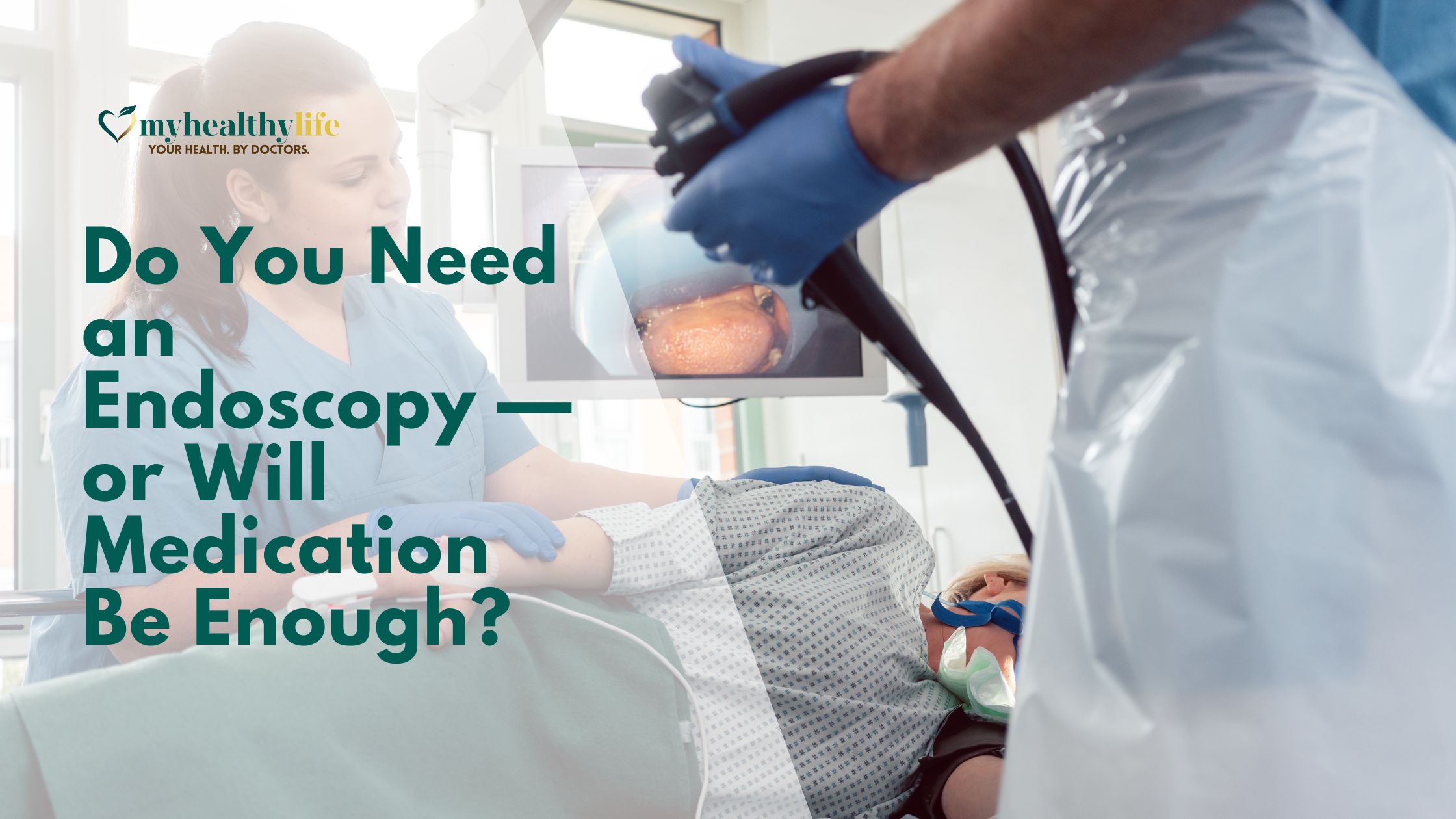
An endoscopy is a diagnostic test where a thin, flexible tube with a camera (endoscope) is passed through your mouth to view your esophagus, stomach, and duodenum. This procedure, often called an upper GI endoscopy, allows doctors to:
- Investigate ongoing gastrointestinal symptoms
- Detect ulcers, inflammation, or bleeding
- Collect tissue samples (biopsies) if needed
- Screen for precancerous or cancerous conditions
It’s performed under light sedation and is generally safe, with a very low risk of complications.
Endoscopy Price: What to Expect
Cost is one of the most common concerns. Endoscopy price varies widely depending on hospital, sedation type, and whether biopsies are performed.
- In the Philippines, typical costs range from ₱8,000 to ₱25,000 or more.
- Globally, prices range from $800–$3,000, depending on the health system.
While the cost can feel high, the value comes in preventing misdiagnoses, catching serious issues early, and avoiding long-term expenses from untreated disease.
Not every case of bloating or heartburn calls for an immediate endoscopy. Often, doctors take a stepwise approach:
- Lifestyle changes: Avoiding spicy or acidic foods, smaller meal portions, reducing alcohol and caffeine, managing weight, and not lying down right after meals.
- Medications:
- Proton pump inhibitors (PPIs) to lower stomach acid.
- H2 blockers for milder acid reflux.
- Antacids for temporary relief.
- Proton pump inhibitors (PPIs) to lower stomach acid.
Doctors usually recommend trying PPIs for 4–8 weeks. If symptoms resolve, an endoscopy may not be needed.
Alarm Symptoms: When Endoscopy Is the Safer Choice
Certain red flags push doctors to order an endoscopy immediately. These include:
- Unexplained weight loss
- Anemia (low red blood count) — sometimes revealed through fatigue or blood tests
- Persistent vomiting
- Blood in stool or vomit (black, tarry stools or “coffee ground” vomit)
- Difficulty or pain when swallowing
- Family history of gastrointestinal cancer
- No improvement after medication trials
If any of these are present, your doctor won’t delay scheduling an upper GI endoscopy.
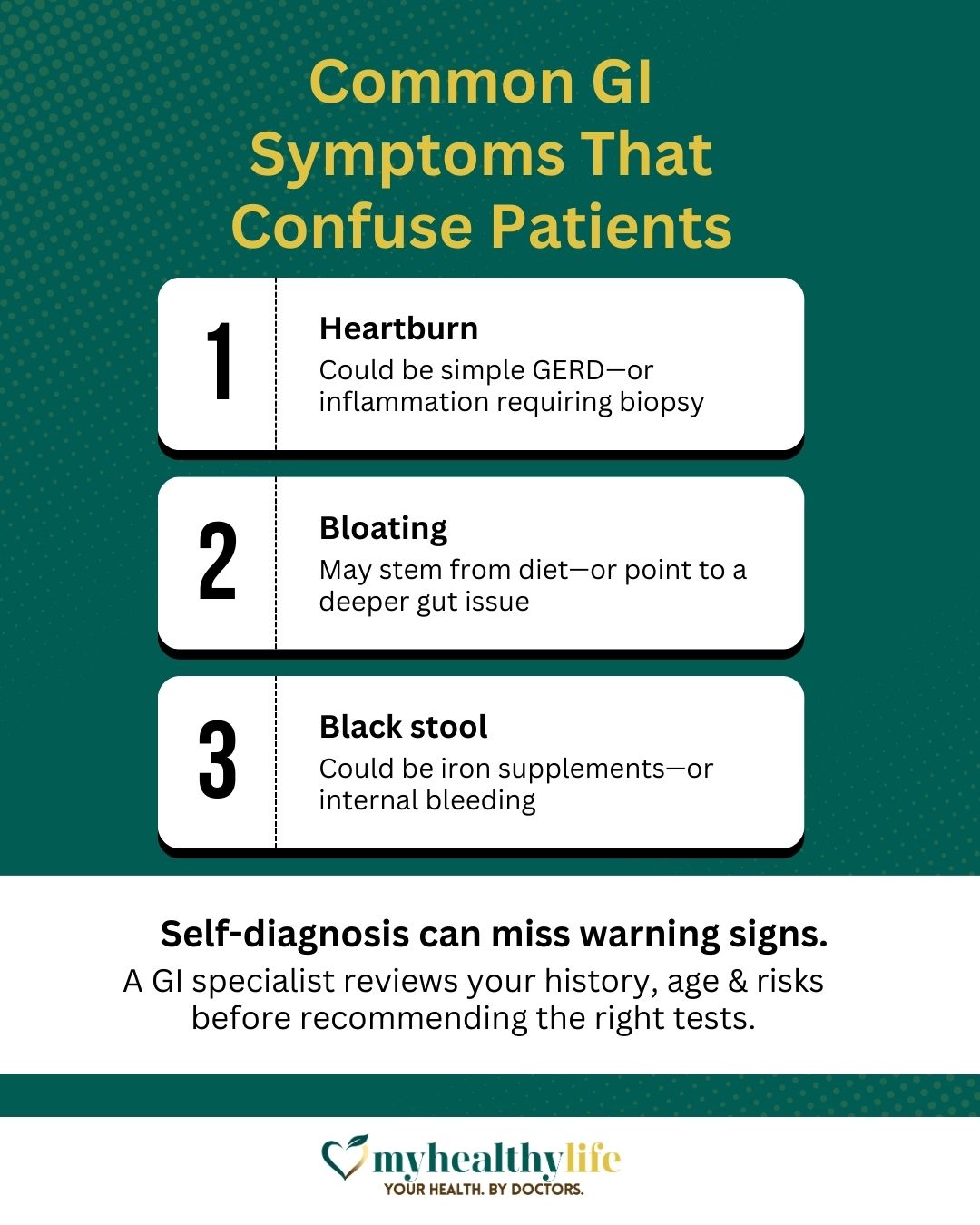
Common Gastrointestinal Symptoms That Confuse Patients
Some symptoms overlap between mild and serious problems, making decisions tricky:
- Heartburn could be harmless GERD—or inflammation needing biopsy.
- Bloating may come from poor digestion—or more complex blockages.
- Black stool might be from iron supplements—or a bleeding ulcer.
This is why relying only on self-diagnosis is risky. A stomach specialist reviews your full health history, age, and risk factors before recommending next steps.
Role of the Stomach Specialist
A gastroenterologist, or stomach specialist, balances many factors when deciding between meds and scopes:
- Your age and risk profile
- Presence of alarm symptoms
- Medical history (previous ulcers, Barrett’s esophagus, liver disease)
- Response to medications like PPIs
Their goal is clear: avoid unnecessary invasive tests while ensuring serious issues aren’t missed.
When Medication Alone Is Enough
For many patients, medication plus diet changes are enough, especially when:
- Heartburn is mild and occasional
- Symptoms are clearly linked to food choices or habits
- Symptoms improve with PPIs or antacids
- No alarm symptoms are present
In these cases, your doctor may simply monitor progress.
When Endoscopy Can’t Wait
Endoscopy is not just for diagnosis. It can also:
- Stop bleeding ulcers
- Remove swallowed objects
- Dilate narrowed esophagus passages
For high-risk symptoms or complications, delaying endoscopy can be dangerous.
Endoscopy vs. Medications: A Quick Comparison
Situation | Doctor’s Usual Approach | Endoscopy Needed? |
Mild, new reflux | Try PPIs + lifestyle changes | Not initially |
Symptoms persist despite meds | Escalate to endoscopy | Yes |
Blood in stool or vomit | Emergency evaluation | Yes |
Unexplained anemia | Endoscopy to find cause | Yes |
Family history of GI cancer | May suggest early scope | Often |
Balancing Cost, Comfort, and Clarity
Patients sometimes hesitate because of the endoscopy price or fear of the procedure. Here’s what’s worth remembering:
- Sedation makes the test comfortable.
- Complications are rare in trained hands.
- The peace of mind from knowing your exact condition is often priceless.
Your Digestive Health Check-In
If you’ve been struggling with gastrointestinal symptoms, here’s a quick reflection guide:
- Do my symptoms improve with simple medication or lifestyle tweaks?
- Have I experienced any alarm symptoms such as unexplained weight loss, anemia, or blood in stool?
- Am I overdue for a consultation with a stomach specialist?
If your answers lean toward mild symptoms that improve with meds, you may not need an endoscopy yet. But if alarm symptoms are present, don’t delay. An early scope could be the difference between reassurance and discovering a condition too late.
Your digestive health deserves attention and proactive care. Listening to your body and getting the right tests when needed keeps your future clearer, healthier, and more secure.
https://www.mayoclinic.org/tests-procedures/endoscopy/about/pac-20395197
https://www.hopkinsmedicine.org/health/treatment-tests-and-therapies/upper-endoscopy
https://my.clevelandclinic.org/health/diagnostics/4105-upper-gi-endoscopy
Share:
Related Posts

Do You Get More Prone to Gallstones as You Age?
Can a Bad Liver Lower Your Testosterone?