
Why Talk About Metabolic Overload?
For many men, the first hints of metabolic syndrome don’t come from blood pressure cuffs or glucose readings—they come from the gut. A bloated belly after meals, constipation that won’t quit, or even dull liver-area discomfort may be dismissed as “normal” or “just something I ate.”
But these seemingly harmless gastrointestinal changes can be the earliest red flags of a bigger problem: metabolic overload. Left unchecked, this cluster of risks—belly fat, insulin resistance, high blood pressure, and abnormal cholesterol—sets the stage for heart disease, diabetes, and liver disease.
Understanding the gut’s role may help men catch problems earlier, when lifestyle changes can make the biggest impact.
Q&A: Metabolism and the Gut Connection
Q: What exactly is metabolic syndrome?
Metabolic syndrome is a group of conditions. High blood sugar, high blood pressure, excess belly fat, and abnormal cholesterol that raise the risk for heart disease, stroke, and type 2 diabetes.
Q: What does my gut have to do with it?
Your gastrointestinal system doesn’t just digest food. It reflects what’s happening in your metabolism. When your body is overloaded with sugar, fat, and stress hormones, the gut reacts through bloating, changes in bowel movements, and even early liver changes.
Q: Are these symptoms really reliable clues?
Yes and no. Gut signs aren’t enough to diagnose metabolic syndrome, but they can be early hints that prompt men to seek screening tests like blood sugar, cholesterol, and liver function.
Symptom Spotlight: The Gut Red Flags
1. Persistent Bloating
Excess visceral fat—the kind that wraps around abdominal organs pushes against the stomach and intestines, slowing digestion. Add in insulin resistance, and the body struggles with carbohydrate metabolism, often leading to gas and bloating after meals.
2. Constipation or Irregular Bowel Movements
A diet heavy in refined carbs but low in fiber (common in fast-food and office-based eating habits) disrupts gut motility. Men with metabolic syndrome often experience constipation alternating with diarrhea—sometimes mistaken for irritable bowel syndrome.
3. Dull Right-Sided Pain
Mild discomfort in the upper right abdomen can signal fatty liver, a frequent companion of metabolic syndrome. This isn’t sharp pain—it’s often vague, intermittent, and easy to ignore until liver ultrasound or blood tests confirm fat buildup.
4. Acid Reflux or Indigestion
Belly fat increases pressure on the stomach, pushing acid upward. Frequent heartburn or indigestion may not just be a stomach disease—it may reflect central obesity and metabolic risk.
5. Changing Stool Patterns
Men with metabolic overload may see alternating constipation, bloating, or diarrhea. While large intestine diseases have many causes, in men with risk factors, it’s a reminder to check blood sugar, cholesterol, and blood pressure, not just the gut.
The Science: Why Metabolism Hits the Gut
- Insulin resistance changes how the body handles carbohydrates, often leading to gas, bloating, and energy crashes.
- Excess fat tissue produces inflammatory chemicals, which disrupt both gut microbiota and the liver.
- High blood pressure medications or diabetes meds sometimes add to constipation or diarrhea.
- Fatty liver (a gastrointestinal disease tied to metabolism) often appears before men develop obvious diabetes or heart disease.
Why Men Miss the Signs
- Cultural habits: Filipino men often normalize bloating or constipation as part of a heavy diet.
- Work-first mindset: Digestive discomfort is ignored until it interferes with daily productivity.
- Lack of awareness: Few connect “simple gut issues” with something as serious as metabolic syndrome.
Screening: The Bridge Between Gut Symptoms and Prevention
If you’ve noticed persistent gastrointestinal symptoms along with belly fat, it’s time to consider screening.
Recommended checks for men over 30:
- Blood pressure: Annual monitoring or more if elevated.
- Fasting blood sugar / HbA1c: Detects insulin resistance early.
- Lipid panel: Measures cholesterol and triglycerides.
- Liver function test (ALT, AST, GGT): Screens for fatty liver.
- Liver ultrasound: Detects fat deposits, inflammation, or early fibrosis.
Catching abnormalities early often prevents progression to diabetes or cardiovascular disease.
Lifestyle Strategies to Protect Gut and Metabolism
- Prioritize fiber: Vegetables, fruits, and whole grains improve digestion and balance gut microbiota.
- Cut liquid sugar: Sweetened drinks spike insulin and worsen fat storage.
- Move daily: Walking after meals improves digestion and lowers blood sugar.
- Watch alcohol intake: Regular drinking compounds fatty liver risk.
- Hydrate consistently: Water supports gut motility and helps regulate appetite.
Don’t wait if you experience:
- Persistent diarrhea lasting more than a week
- Blood in stool
- Severe upper abdominal pain
- Rapid, unexplained weight loss
- Yellowing of the eyes or skin
These may indicate advanced gastrointestinal disease or complications that require immediate medical attention.
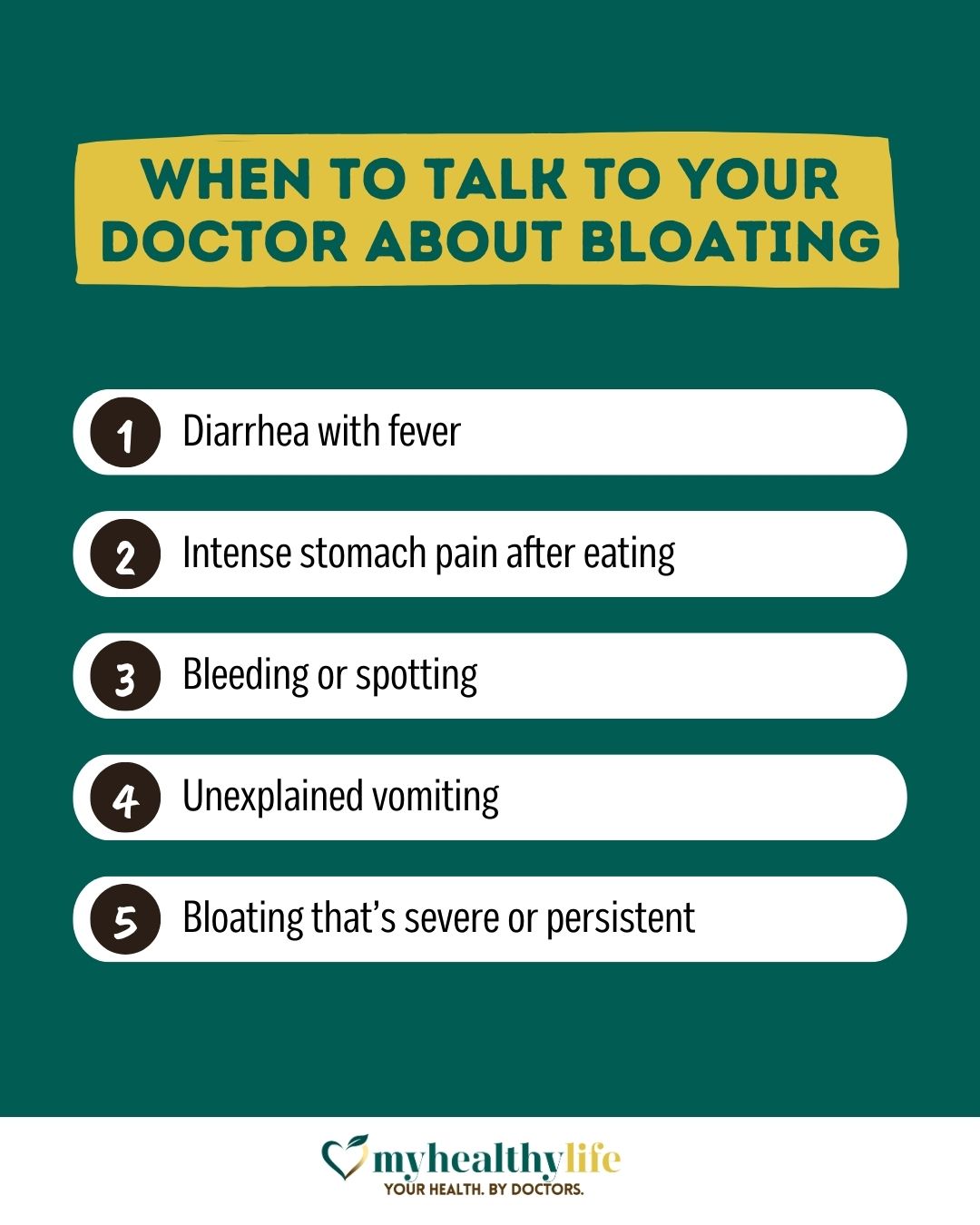
Your Gut Health Check-In
Ask yourself:
- Do I often feel bloated, even when I haven’t overeaten?
- Have I noticed constipation, alternating diarrhea, or subtle right-sided pain?
- Am I carrying more belly fat than I used to?
- When was the last time I had blood sugar, cholesterol, or liver function checked?
- Do I see gut symptoms as “normal,” or am I ready to take them seriously?
Your gut is often the first place metabolic overload whispers before it shouts. Listening to those early cues and acting on them can change the course of your health.
https://www.who.int/news-room/fact-sheets/detail/metabolic-syndrome
https://my.clevelandclinic.org/health/diseases/10783-metabolic-syndrome
https://www.hopkinsmedicine.org/health/conditions-and-diseases/metabolic-syndrome
https://www.mayoclinic.org/diseases-conditions/nonalcoholic-fatty-liver-disease
Share:
Related Posts

Do You Get More Prone to Gallstones as You Age?
Can a Bad Liver Lower Your Testosterone?