
That Burning Feeling in Your Chest
Almost everyone has felt it at some point: a burning sensation rising from the stomach into the chest, sometimes reaching the throat. It often happens after a big meal, late-night snacking, or lying down too soon after eating. This discomfort, known as acid reflux, is common — but when it keeps happening, it may be more than just “too much acid in the stomach.”
For some, recurring reflux signals gastrointestinal disease such as GERD (gastroesophageal reflux disease), ulcers, or even more serious conditions that need medical care. Knowing the difference between ordinary heartburn and red-flag symptoms is key to protecting your digestive health.
What Exactly Is Acid Reflux?
Acid reflux happens when gastric acid from your stomach flows backward into the esophagus (the tube that connects your throat to your stomach). Normally, a small muscle called the lower esophageal sphincter acts like a valve, keeping acid where it belongs. But if it weakens or relaxes too often, acid escapes, causing irritation and burning.
Typical symptoms of acid reflux include:
- Burning pain in the chest (heartburn), usually after meals
- Sour or bitter taste in the mouth
- Feeling of food coming back up (regurgitation)
- Bloating or burping
Occasional acid reflux is normal. But when it happens more than twice a week or is severe, it may signal a chronic gastrointestinal disease like GERD.
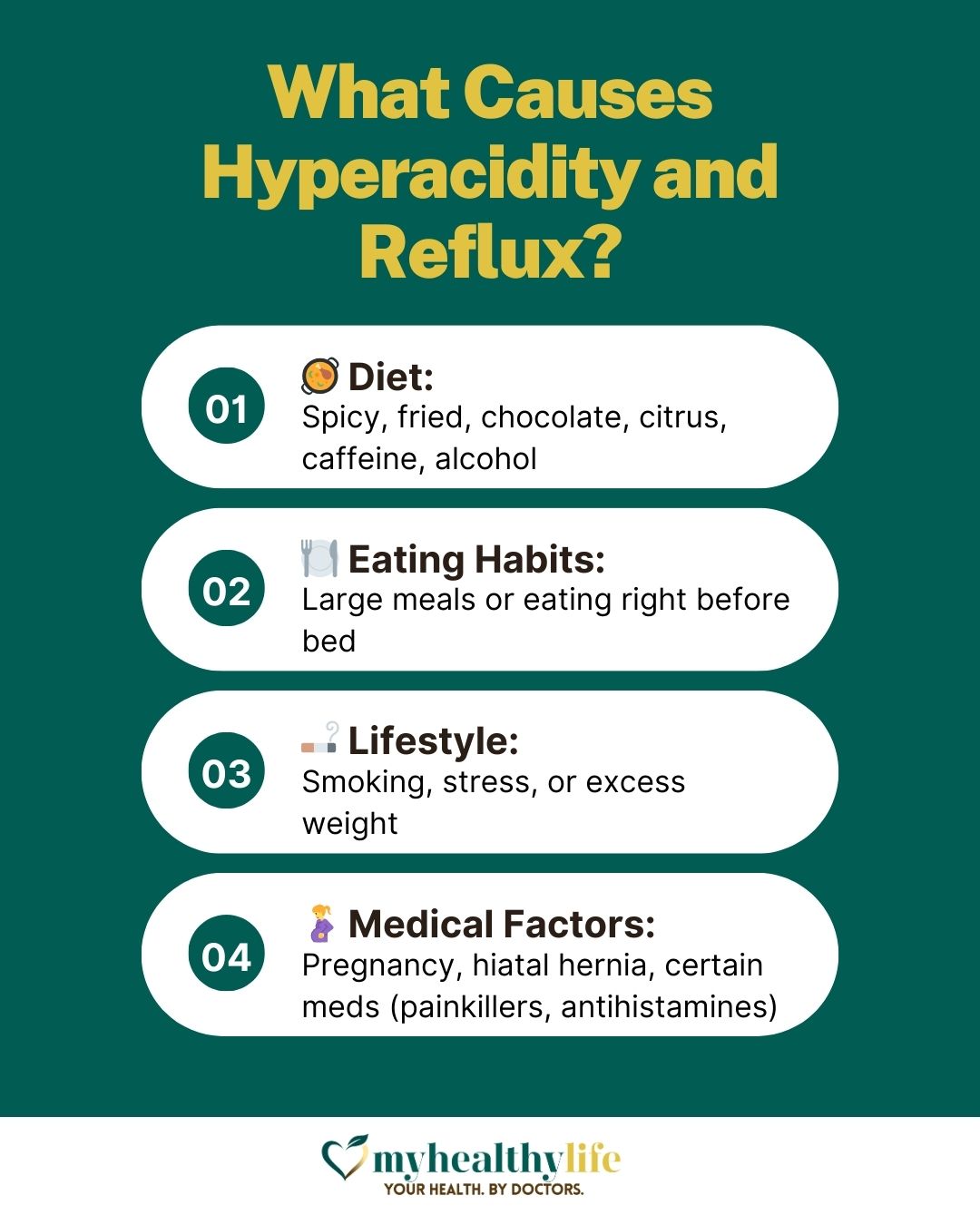
What Causes Hyperacidity and Reflux?
Hyperacidity simply means too much stomach acid or increased sensitivity to normal acid levels. Several triggers can cause reflux or worsen it:
- Dietary habits: Spicy foods, fried foods, chocolate, caffeine, alcohol, and citrus can irritate the esophagus.
- Eating patterns: Large meals or eating right before bed increase pressure on the stomach.
- Lifestyle factors: Smoking, being overweight, and high stress levels all contribute.
- Medical conditions: Pregnancy, hiatal hernia, and certain medications (like painkillers or antihistamines) can worsen reflux.
For most people, identifying and reducing triggers helps manage symptoms.
When Acid Reflux Means Something More Serious
Most reflux is harmless and improves with lifestyle changes. But persistent reflux can signal a more serious gastrointestinal disease.
Red Flags That Need a Stomach Doctor
- Frequent heartburn (more than 2–3 times per week)
- Difficulty swallowing (feeling like food is stuck)
- Unexplained weight loss
- Persistent nausea or vomiting
- Vomiting blood or black stools
- Chest pain that mimics heart problems
If you have these symptoms, see a stomach doctor (gastroenterologist) immediately. These may point to conditions like:
- GERD (Gastroesophageal Reflux Disease): Chronic acid reflux that damages the esophagus.
- Esophagitis: Inflammation of the esophagus lining.
- Peptic ulcers: Sores in the stomach or upper intestine caused by excess gastric acid or H. pylori infection.
- Barrett’s esophagus: Precancerous changes in the esophagus lining caused by long-term reflux.
Acid Reflux vs. GERD: How to Tell the Difference
Acid Reflux | GERD |
Occurs occasionally | Occurs frequently (2+ times per week) |
Symptoms mild, usually after certain foods | Symptoms persistent, even with lifestyle changes |
Usually doesn’t cause long-term damage | Can damage esophagus and increase cancer risk |
If lifestyle changes and over-the-counter remedies don’t help, or symptoms worsen, a doctor may order tests such as:
- Endoscopy (camera to check esophagus/stomach lining)
- pH monitoring (measures acid levels in the esophagus)
- Imaging studies for ulcers or structural issues
Practical Tips to Reduce Acid Reflux
If you’re dealing with occasional reflux, these strategies can help reduce discomfort and protect your digestive health:
Lifestyle Habits
- Eat smaller, more frequent meals instead of large ones.
- Avoid lying down for at least 2–3 hours after eating.
- Elevate the head of your bed slightly to reduce nighttime reflux.
- Quit smoking — nicotine weakens the esophageal valve.
- Maintain a healthy weight to ease pressure on the stomach.
Dietary Adjustments
- Limit trigger foods: spicy, greasy, fried, chocolate, citrus, coffee, alcohol.
- Eat slowly and chew food thoroughly.
- Drink water throughout the day, but not excessively during meals.
Stress Management
Stress doesn’t cause reflux directly, but it can make symptoms worse. Incorporating coping strategies like deep breathing, exercise, or journaling helps manage both stress and reflux flare-ups.
When to See a Doctor
Don’t delay consultation if you experience:
- Persistent diarrhea or constipation (lasting more than 2 weeks).
- Unexplained weight loss.
- Blood in stool (black, tarry, or bright red).
- Severe abdominal pain not relieved by rest.
These could be signs of gastrointestinal disease requiring further tests like endoscopy, stool analysis, or liver ultrasound.
When Medication Helps
For frequent acid reflux or GERD, a doctor may recommend medications such as:
- Antacids (for quick relief, but not long-term use)
- H2 blockers (reduce acid production)
- Proton pump inhibitors (PPIs): Stronger acid reducers, often used for GERD or ulcers
Important: Do not self-medicate for long periods without medical supervision. Overusing PPIs, for example, may affect nutrient absorption and bone health.
Your Digestive Health Check-In
Acid reflux may feel like a small annoyance, but your digestive system is always sending signals. Use your reflux episodes as a check-in: Is this just food-related discomfort, or is my body asking for more attention? By listening closely and getting professional advice when needed, you’ll not only relieve symptoms but also protect your long-term gut health.
https://www.mayoclinic.org/diseases-conditions/gerd/symptoms-causes/syc-20361940
https://my.clevelandclinic.org/health/diseases/14427-gastroesophageal-reflux-disease-gerd
https://www.hopkinsmedicine.org/health/conditions-and-diseases/acid-reflux-gerd
Share:
Related Posts

Do You Get More Prone to Gallstones as You Age?
Can a Bad Liver Lower Your Testosterone?