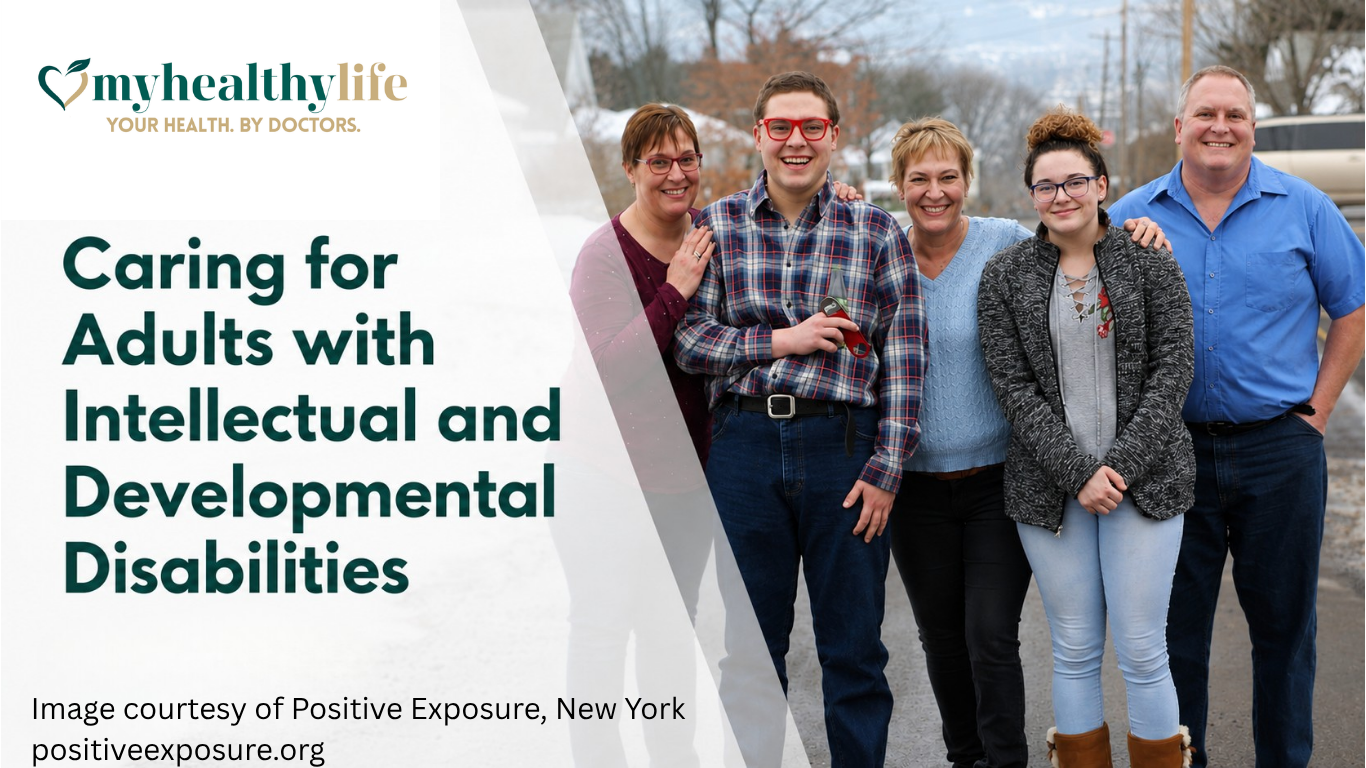
Adults with intellectual and developmental disabilities in general are living longer lives than before. However, they have been noted to have a shorter life expectancy compared to the general population due to higher health risks and limited access to healthcare services. Adults with intellectual and developmental disabilities have higher rates of diabetes, obesity, heart disease, and depression. Thus, it is important to ensure these individuals receive and have access to quality healthcare.
What is Intellectual Disability
Intellectual disability is a term used when there are limits to a person’s ability to learn at an expected level and function in daily life.

What are Some Examples of Intellectual Disability?
- Down Syndrome
- A genetic condition in which a person has an extra copy of chromosome 21.
- Common physical traits: low muscle tone, small stature, single palmer crease, upward-slanted eyes
- Fetal Alcohol Syndrome Disorders
- Group of preventable conditions that can occur in a person who was exposed to alcohol before birth
- Fragile X Syndrome
- A genetic disorder that is one of the most common causes of inherited intellectual disability
What is Developmental Disability?
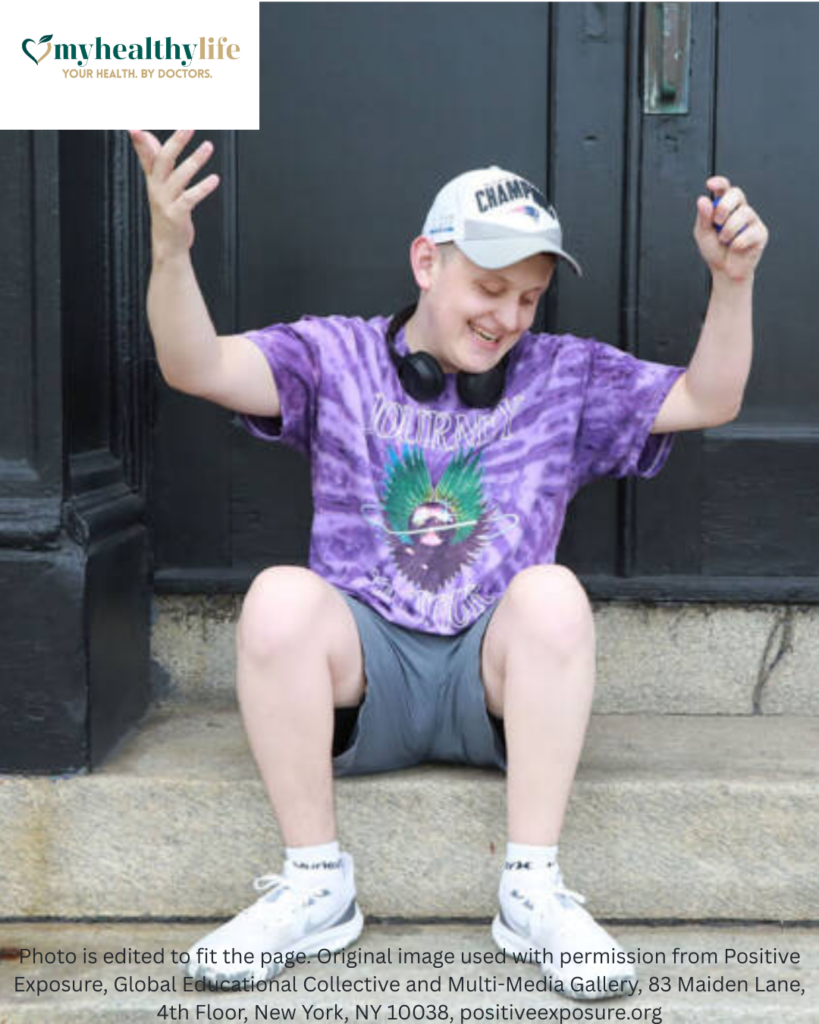
Developmental disabilities are a group of conditions due to impairment in physical, learning, language, or behavior areas.
What are Some Examples of Developmental Disability?
- Spina Bifida
- A neural tube defect in which the neural tube does not close all the way. This results in the backbone, which protects the spinal cord, not forming properly an closing.
- Common physical traits: abnormal patch of hair, dimple, birthmark, or visible pouch-like sac at the back, muscle weakness, paralysis, scoliosis.
- Autism Spectrum Disorder
- A condition that can cause significant social, communication, and behavioral challenges.
- Cerebral Palsy
- A group of disorders that affect a person’s ability to move and maintain balance and posture
- It is the most common motor disability in childhood.
- There are four types of cerebral palsy, namely:
- Spastic – muscles are stiff and tight
- Dyskinetic – muscles switch between stiffness and floppiness, causing random, uncontrolled body movement or spasms.
- Ataxic – shaky or clumsy movements and sometimes, tremors.
- Mixed
- Attention Deficit Hyperactivity Disorder
- A neurodevelopmental disorder that develops during childhood and often lasts into adulthood.
- Intellectual Disability
- Not all people with developmental disability have an intellectual disability.

What are Some of the Barriers to Care that Persons with Intellectual and Developmental Disabilities Face?
- Stereotypes and Assumptions
- Architectural (i.e. lack of height adjustable example tables)/ Environment (i.e. loud areas, bright lights)
- Communication
- Transportation
- Inadequate Healthcare Provider Training
- Diagnostic Overshadowing
Occurs when all the changed or unusual behaviors are attributed to intellectual disability or conversely, everything is attributed to a psychiatric disorder without due acknowledgment of the impact of one on the other.
Example: A 30-year old non-verbal male with autism and intellectual disability with worsening behaviors goes to the doctor's office. The doctor states the behavior is most likely due to his disability. Thus, he does not do a complete exam and misses identifying a toothache that is the cause of his worsening behavior.
What are Some of The Co-Occurring Clinical Conditions in Persons with Intellectual and Developmental Disabilities?
- Vision/ Hearing/ Speech/ Mobility Deficits
- Cardiology (Congenital Heart Defects, Hypertension, Hyperlipidermia)
- Dermatology (Decubiti)
- Endocrinology (Osteoporosis, Vit. D Deficiency, Thyroid disorders, Diabetes)
- Gastrointestinal (Dysphagia, Constipation, Gastroesophageal Reflux Disease)
- Mental/ Behavioral Health (Impulse Control Disorder, Anxiety, Depression)
- Muscoloskeletal (Spasticity)
- Neurology (Epilepsy, Dementia)
- Pulmonology (Aspiration)
- Renal (Chronic Kidney Disease)
- Urogenital (Urinary Incontinence, Urinary tract infections)
- Oral Health (Dental Carriers, Tooth Decay)
What Can Parents and Caregivers Do to Care for Their Children Who Are Now Adults?
- Be active advocates. Be prepared for each doctor’s visit.
- Ensure medical and surgical history, allergies, and medications are documented.
- Write down questions and concerns before appointments.
- During appointments, establish open communication, ask questions, and actively participate in decisions.
- Ensure the doctors speak directly to your adult child and allow them to communicate and interact with the doctor whenever possible.
- Include your adult child in all the conversations with their doctor and let them lead it when they can.
References and Resources:
- Centers for Disease Control: cdc.gov
- World Health Organization: who.it
- National Down Syndrome Society: ndss.org
- Special Olympics Pilipinas: specialolympicspilipinas.org
- Autism Spectrum Disorder in Primary Care I AAFP https://www.aafp.org/afp/2025/0900/autism-spectrum-disorder
- Adults with Developmental Disabilities: A Comprehensive Approach to Medical Care https://www.aafp.org/afp/2018/0515/p649.pdf
- Positive Exposure: positiveexposure.org
- Helen: The Journal of Human Exceptionality: helenjournal.org
Author: Vincent Siasoco, MD, MBA
Dr. Siasoco is a board-certified Family Medicine Physician with over two decades of experience in providing comprehensive care to patients with intellectual and developmental disabilities. He holds diverse roles as a clinician, educator, executive and advocate. He is the Medical Director of ADAPT Community Network (formally known as United Cerebral Palsy of New York City). He is an Assistant Professor at the Albert Einstein College of Medicine and Director of Primary Care at the Rose F. Kennedy Children’s Evaluation and Rehabilitation Center at Montefiore Medical Center. He is the President of the American Academy of Developmental Medicine and Dentistry and a member of the Board of Directors at Mercy Home in Brooklyn, New York. He serves as Co-Chair for Cerebral Palsy State of New York’s Medical Director’s Council. He is a Special Olympics Clinical Director, Chair of the Special Olympics New York Health Advisory Council, and a member of the Special Olympics International Medical Advisory Committee. He also chairs the Medical Advisory Taskforce of the New York State Office for People with Developmental Disabilities and serves as the Global Health Co-Editor of “Helen: The Journal of Human Exceptionality.” He completed his medical education at the UST Faculty of Medicine and Surgery and his residency in Family Medicine at St. Claire’s Hospital, New York.