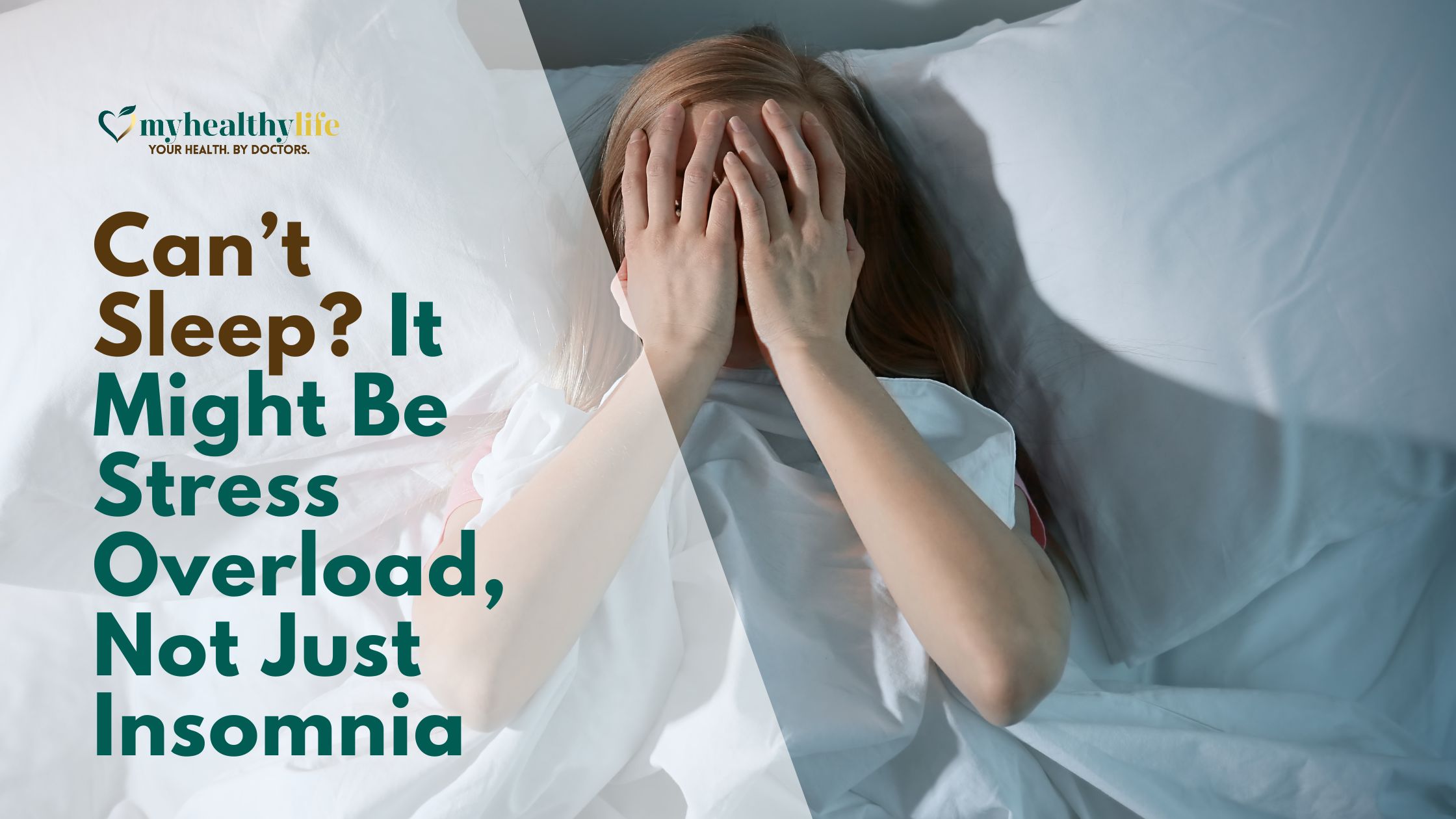
We’ve all had the occasional restless night before a big day. But if you’re lying awake more often than not, it’s worth asking: is this insomnia, or is stress running the show? Sleep issues are one of the most common early warning signs of stress overload, and left unchecked, they can cascade into bigger mental and physical health problems.
This guide unpacks how stress hijacks your sleep, how to break the cycle with healthier coping mechanisms for stress, and when disrupted rest might signal something deeper, such as depression or anxiety disorders.
How stress sneaks into your sleep
Stress isn’t just a feeling—it’s a full-body cascade involving your brain, hormones, and nervous system. When you’re stressed, your hypothalamic-pituitary-adrenal (HPA) axis releases cortisol and adrenaline, designed to keep you alert. That’s helpful in emergencies—but not when you’re trying to sleep.
Over time, elevated stress hormones disrupt sleep architecture, the pattern of light, deep, and REM sleep your body cycles through at night. Common patterns include:
- Trouble falling asleep (mind racing with to-do lists or “what-ifs”)
- Frequent waking (startling awake at 2 or 3 a.m., heart pounding)
- Shallow sleep (never feeling fully rested, even after hours in bed)
- Early waking (up before dawn without being able to fall back asleep)
When stress becomes chronic, these disruptions can weaken your immune system, impact mood regulation, and even contribute to signs of psychological disorders over time.
Why stress-related sleep issues feel different
A mentally healthy individual still has the occasional restless night—travel, late caffeine, or excitement can do it. But stress-related sleep disruption often comes with daytime symptoms:
- Irritability or impatience
- Trouble concentrating or remembering details
- Muscle tension, headaches, or jaw clenching
- A sense of being “tired but wired”
- Digestive changes or appetite swings
If these are present alongside sleep issues, it’s likely your body is stuck in a heightened stress response.
Short-term vs chronic stress effects on sleep
Short-term stress (like preparing for a presentation) may temporarily disrupt sleep but usually resolves when the event passes.
Chronic stress (from ongoing work pressure, caregiving, financial strain) rewires your stress response, making it harder to shift into “rest and digest” mode—even when you have the chance to relax.
When the brain stays on high alert for weeks or months, coping mechanisms for stress get overwhelmed, and sleep loss becomes self-perpetuating. Poor sleep heightens stress perception, which further damages sleep quality—a feedback loop that can feel impossible to break.
The role of coping mechanisms for stress
Not all coping habits are created equal. Some soothe your nervous system; others crank it up.
Unhelpful patterns
- Scrolling social media in bed (blue light + emotional triggers)
- Late-night alcohol (may help you fall asleep faster but reduces deep sleep)
- Over-reliance on caffeine the next day (delays sleep onset later)
- Working until bedtime (no mental separation between “on” and “off” modes)
Healthier stress buffers
- Movement: Gentle evening stretching or a 10-minute walk lowers cortisol.
- Journaling: Offloading thoughts before bed reduces rumination.
- Breathing practices: Slow, diaphragmatic breathing or box breathing signals safety to the nervous system.
- Mindfulness: Guided meditation or progressive muscle relaxation before lights out.
Stress-proof your sleep: A step-by-step evening plan
You can’t always eliminate stressors, but you can create a routine that tells your body, “We’re done for the day.”
1 hour before bed
- Dim lights, reduce stimulating tasks.
- Avoid heated discussions or intense problem-solving.
45 minutes before bed
- Light snack if hungry (e.g., banana with nut butter or warm milk).
- Switch to non-backlit reading or calming audio.
30 minutes before bed
- Practice a breathing routine (4-7-8 or box breathing).
- Gentle yoga stretches or body scan meditation.
15 minutes before bed
- Write down tomorrow’s top three tasks—this signals to your brain that planning is done.
- Keep a notepad by the bed for any late-night worries.
When sleep issues might be more than stress
If your sleep struggles are persistent despite improved habits, they could point to an underlying condition.
Watch for:
- Anxiety symptoms: racing thoughts during the day, muscle tension, panic attacks.
- Depression signs: early morning waking with low mood, loss of interest in activities, changes in appetite.
- Psychological disorders: prolonged insomnia paired with hallucinations, paranoia, or extreme mood swings.
In these cases, professional help can be life-changing. Cognitive behavioral therapy for insomnia (CBT-I) is the gold standard for chronic sleep issues, and therapy for anxiety or depression can address the root causes. Sometimes, a combination of therapy, stress reduction, and short-term medication is the fastest route back to restorative rest.
Practical self-check: Is this stress or something more?
Answer the following:
- Have you had sleep issues at least 3 nights per week for more than 3 months?
- Do you experience significant distress or daytime impairment from poor sleep?
- Are there accompanying signs of psychological disorders (e.g., panic attacks, persistent low mood, loss of interest)?
- Are your coping mechanisms for stress limited to avoidance or overwork?
If you answered “yes” to #1 and any of #2–#4, it’s time to consult a healthcare provider.
The ripple effect of stress on your health
Sleep is the foundation for mental clarity, emotional balance, and physical resilience. Chronic stress-related sleep issues can:
- Lower immune defenses, increasing illness risk
- Impair decision-making and problem-solving
- Heighten emotional reactivity, making daily challenges feel bigger
- Increase the likelihood of developing anxiety or depression
Addressing stress early protects not only your rest but your long-term health.
Quick wins you can try tonight
- Swap phone scrolling for a short breathing exercise before bed.
- Eat a balanced dinner at least 2 hours before sleep to avoid discomfort.
- Keep your bedroom cool, dark, and tech-free.
- Set a “worry window” during the day to process concerns.
Limit caffeine after 2 p.m. to reduce sleep onset delays.
The takeaway
Sleep issues are often the body’s alarm system for stress overload. You can’t always change what’s on your plate, but you can change how your mind and body wind down at night. The goal isn’t perfection—it’s creating enough calm to let your natural sleep drive do its work.
MyHealthyLife Touch
At MyHealthyLife, we believe good nights fuel good days. Start with one small change—maybe it’s dimming the lights earlier, maybe it’s ten slow breaths before bed. Over time, these micro-adjustments turn rest into your best resilience tool.
https://www.thensf.org/sleep-health/stress-and-sleep/
https://www.apa.org/topics/stress/body
https://www.health.harvard.edu/newsletter_article/sleep-and-mental-health
Share:
Related Posts
Burnout in Men: The Hidden Ways It Shows Up
Are Memory Lapses in Your 40s Normal — or a Red Flag?