You’ve worked all day. It’s 9 PM.
You’re starving. You finally sit down to a plate of rice, adobo, and maybe even dessert.
After all—“at least I’m eating real food,” right?
But here’s what new research is showing:
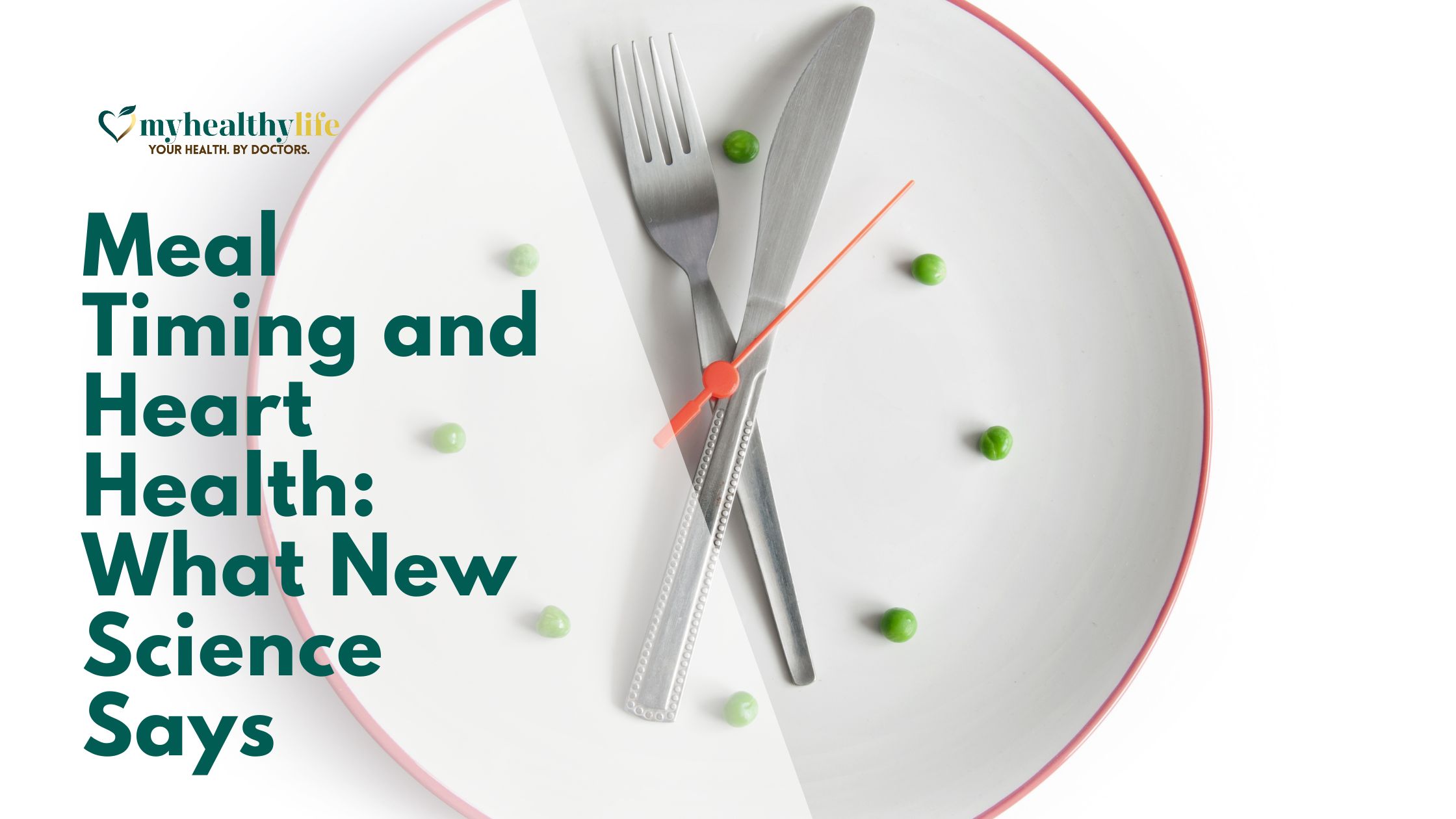
It’s not just what you eat—it’s also when.
Meal timing is now being linked to cardiovascular risk, blood sugar control, and even cholesterol levels.
For many Filipinos, especially with late work shifts or heavy dinners, that could mean a silent strain on the heart.
Let’s break it down.
What the Science Says About Eating Late
A 2023 study published in Circulation followed over 100,000 adults.
It found that people who regularly ate dinner after 9 PM had:
- Higher blood pressure at night
- Worse cholesterol levels
- Greater insulin resistance (a red flag for prediabetes and heart disease)
The results were clearest in people who skipped or delayed breakfast and ate heavy dinners late.
So what’s going on?
Your Body Has a Clock—and It Affects Your Heart
You may have heard of your circadian rhythm—your body’s 24-hour internal clock that affects sleep, energy, and… digestion.
That’s right:
Your metabolism isn’t “on” 24/7.
Here’s how your body works across the day:
Time of Day | Metabolic State |
Morning | Insulin sensitivity high, digestion active |
Afternoon | Steady blood sugar, good fat burn |
Evening | Body slows down, insulin resistance increases |
Night (8 PM+) | Fat storage mode, poor sugar processing |
That means if you eat a large, carb-heavy meal late at night, your body stores more fat and struggles to process sugar and cholesterol.
Over time, this pattern can:
- Elevate fasting blood sugar
- Raise LDL cholesterol
- Increase resting blood pressure
- Raise long-term cardiovascular risk
Why This Hits Filipinos Harder
Filipino culture often revolves around late dinners, heavy evening meals, or midnight snacks, especially for:
- Call center workers
- Shift-based hospital or BPO staff
- Families waiting for dad/mom to get home before eating
- Weekend gatherings that last until 10 PM or later
Combined with:
- Rice-heavy meals
- Sweet desserts or sugary drinks
- Processed meats (longganisa, tocino, tapa)
…it’s a perfect storm for nighttime metabolic stress.
But I’m Busy—Is This Really That Bad?
Yes—especially long-term.
Regular late eating (especially heavy dinners):
- Disrupts blood pressure dips at night (called “non-dipping”)
- Promotes chronic low-grade inflammation
- Encourages abdominal fat gain
- Alters gut microbiome linked to cholesterol and blood pressure
These changes aren’t overnight—but they build up, silently raising your heart risk.
What About Blood Sugar and Cholesterol?
Eating late also affects glucose and lipid control.
Studies show:
- Late dinners increase post-meal blood sugar spikes, especially in those with diabetes or insulin resistance
- LDL cholesterol tends to be higher in late eaters
Eating within 2 hours of sleep reduces overnight fat metabolism (bad for your heart and weight)
So Should I Skip Dinner?
Not at all.
Skipping meals entirely can backfire—triggering binge eating, poor recovery, or nutrient gaps.
The key is adjusting the timing and portions, not starving yourself.
Let’s talk strategy.
Simple Fixes for Filipino Eating Habits
1. Eat Dinner Earlier (Whenever Possible)
Aim to eat at least 3 hours before bedtime.
- Sleep at 11 PM? Eat by 8 PM
- Sleep at 10 PM? Eat by 7 PM
This gives your body time to digest, metabolize, and reset.
2. Make Dinner the Lightest Meal
Let lunch be your big meal.
Shift to lighter, veggie- or protein-focused dinners like:
- Tinolang manok
- Ginisang gulay with tofu
- Grilled fish with kamote or brown rice
3. Limit Sugary Drinks or Desserts at Night
Even fruit juices spike sugar and insulin levels—especially late in the day.
Try:
- Warm water with calamansi
- Herbal tea
- Low-sugar fruit like papaya or apple slices (before 8 PM)
4. Don’t Skip Breakfast
People who skip breakfast often eat more at night—creating a vicious cycle.
A solid breakfast helps regulate:
- Appetite
- Blood sugar
- Energy levels
- Cravings
Try oats, boiled egg, whole grain bread, or champorado with less sugar.
5. Follow a Consistent Schedule
Your body loves rhythm.
Try to:
- Eat at roughly the same times daily
- Sleep and wake up consistently
- Avoid heavy “cheat nights” followed by crash dieting
Consistency supports better blood sugar, cholesterol, and BP regulation.
Who Should Watch Their Meal Timing Closely?
You should be extra mindful if you:
- Have high blood pressure
- Are prediabetic or diabetic
- Have high cholesterol or triglycerides
- Struggle with weight or belly fat
- Have a family history of heart disease
These groups are more sensitive to late-night metabolic disruptions.
But What If I Work Night Shifts?
Totally valid—and very common in the Philippines.
Try these adapted tips:
- Eat a hearty “breakfast” before your night shift starts
- Have your biggest meal in the first half of your shift
- End your shift with a light, easy-to-digest “dinner”
- Avoid snacking right before sleeping in the morning
Even if your clock is reversed, the same principles apply.
Clock-In Checklist: Eat for Heart Health
Let’s close with a simple checklist to keep your heart in rhythm:
✅ Aim to finish dinner 3 hours before bedtime
✅ Prioritize breakfast and lunch as your heaviest meals
✅ Avoid high-sugar or high-fat meals late at night
✅ Eat consistently—don’t swing between extremes
✅ If on night shift, flip your timing, not your health
💡 At MyHealthyLife, we believe small changes in timing can make a big difference in your heart.
Your clock matters. Your rhythm matters.
And your next meal? That’s your next step toward a longer, healthier life.
Share:
Related Posts

Heart Smart, Life Strong: Why Fitness Matters for Your Heart—Beyond the Number on the Scale
Is Your Belly Fat Putting Pressure on Your Heart?