Why Liver Function Tests Matter
Your liver is your body’s silent multitasker. It filters toxins, processes nutrients, produces bile for digestion, and keeps your blood chemistry in balance. But when the liver is under stress, it rarely gives clear warning signs until the damage is advanced. That’s where a liver function test (LFT) comes in.
This simple blood test can detect early problems by measuring enzyme levels and proteins linked to liver health. For many adults, especially those with diabetes, a history of alcohol use, or unexplained digestive issues, an LFT can be the difference between catching liver disease early and facing complications later.
What a Liver Function Test Measures
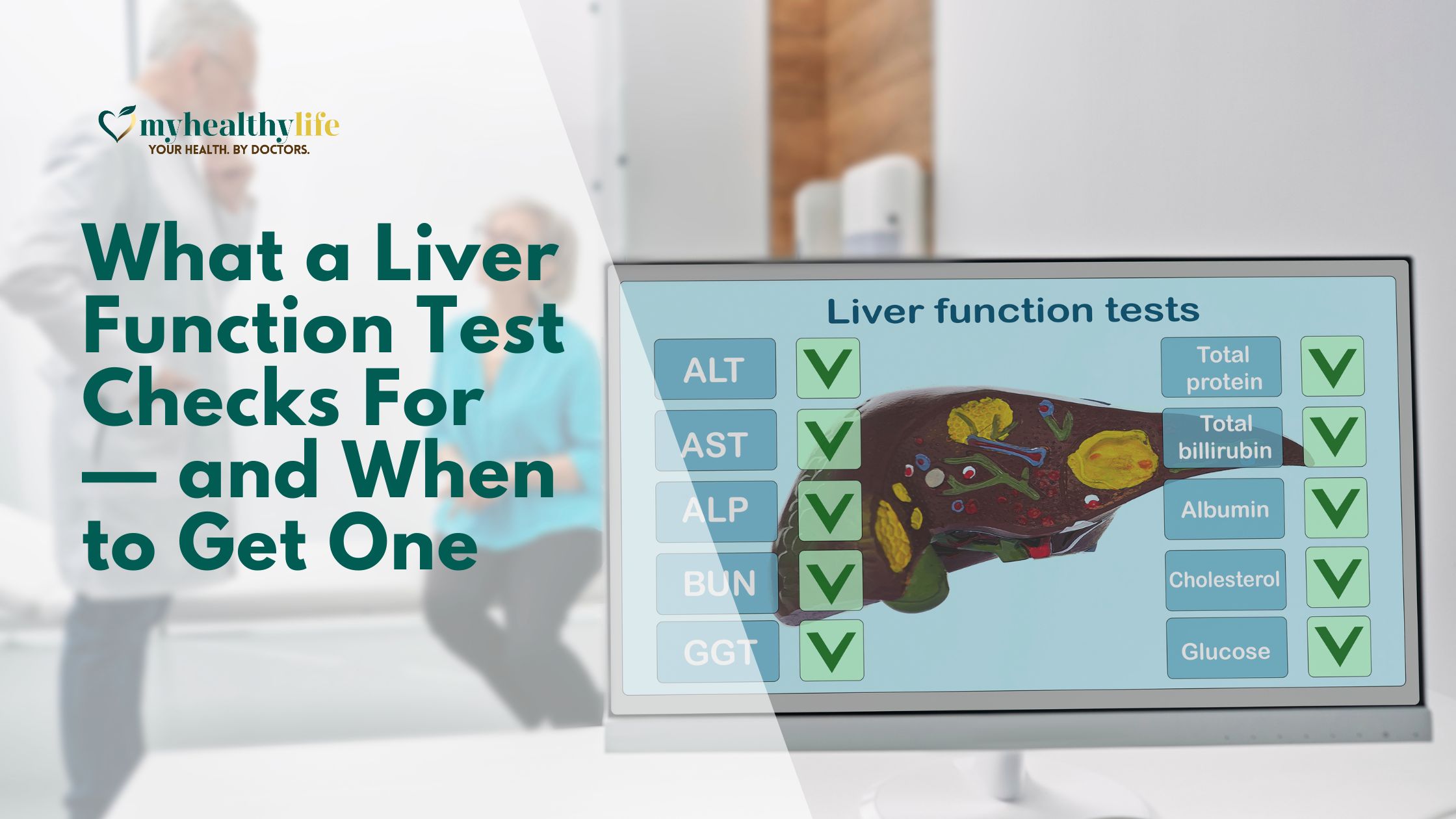
A standard LFT looks at several key markers. Each one tells doctors something specific about how your liver is working.
ALT (Alanine Aminotransferase)
- What it does: ALT is an enzyme found mostly in the liver. It helps process amino acids.
- Why it matters: Elevated ALT is often the first sign of liver cell injury. It can point to fatty liver, hepatitis, or alcohol-related damage.
AST (Aspartate Aminotransferase)
- What it does: AST is found in the liver, heart, and muscles.
- Why it matters: High AST may indicate liver damage, but doctors usually compare AST to ALT. A higher AST-to-ALT ratio can suggest alcohol-related liver injury.
ALP (Alkaline Phosphatase)
- What it does: ALP is found in the liver and bones.
- Why it matters: Elevated ALP may point to blocked bile ducts, gallbladder disease, or certain bone disorders. When paired with other results, it helps clarify if the issue is liver-related.
Bilirubin
- What it does: Bilirubin is a yellow substance formed when red blood cells break down. The liver processes and removes it.
- Why it matters: High bilirubin can cause jaundice and signal problems like hepatitis, liver scarring, or bile duct obstruction.
Albumin and Total Protein
- What they do: These proteins are produced by the liver and keep fluids balanced in your blood vessels.
- Why they matter: Low levels may indicate advanced liver disease or nutritional deficiencies.
GGT (Gamma-Glutamyl Transferase)
- What it does: GGT is an enzyme that helps break down substances.
- Why it matters: Elevated GGT often indicates alcohol-related liver damage or blocked bile ducts.
What Do Abnormal Results Mean?
One high enzyme doesn’t always mean serious liver disease. Doctors look at patterns:
- ALT + AST elevated: Fatty liver, viral hepatitis, or alcohol-related injury.
- ALP + GGT elevated: Bile duct or gallbladder problems.
- Bilirubin high: Possible blockage, hepatitis, or advanced liver disease.
- Low albumin: Chronic liver disease or poor nutrition.
Because liver markers overlap with other conditions, only a gastrointestinal doctor or liver specialist can interpret the full picture.
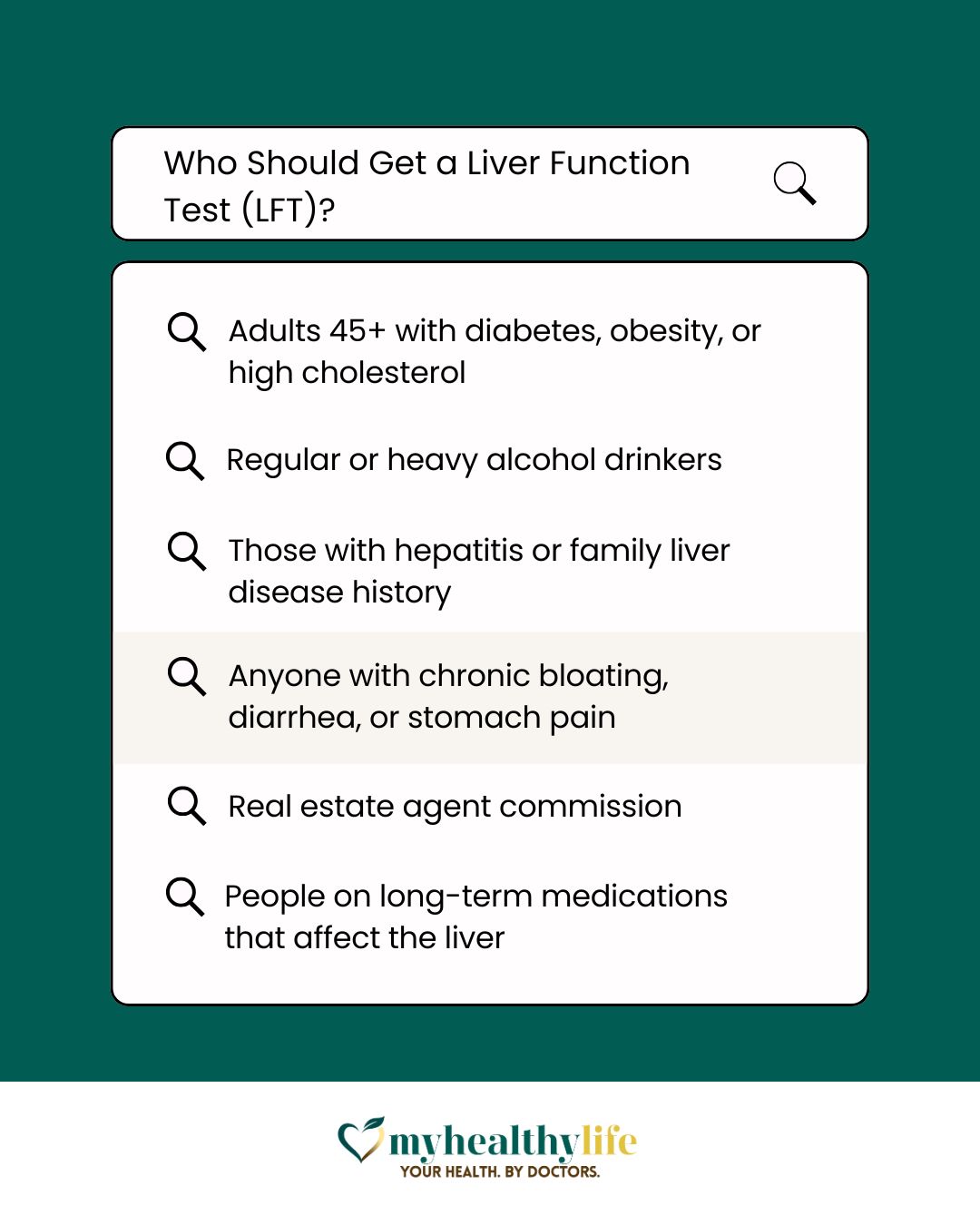
Who Should Get a Liver Function Test?
While anyone can benefit from a baseline check, certain groups are at higher risk:
- Adults over 45, especially with metabolic syndrome (diabetes, obesity, high cholesterol)
- Heavy or regular alcohol drinkers
- People with a history of hepatitis or family history of liver disease
- Individuals with persistent digestive issues — bloating, diarrhea, or unexplained stomach pain
- Those on long-term medications that may stress the liver
Even if you feel healthy, an annual checkup that includes an LFT gives you a clear snapshot of your liver’s condition.
How the Test Works
The process is quick and straightforward:
- A blood sample is taken from your arm.
- The lab measures enzyme and protein levels.
- Results are compared to normal ranges.
- Your doctor interprets the results in the context of your overall health.
Sometimes, an abnormal result leads to further testing such as a liver ultrasound or FibroScan to check for fatty liver, scarring, or other structural issues.
Lifestyle Factors That Affect Liver Function
Your results don’t exist in a vacuum. Many lifestyle factors can raise or lower enzyme levels, including:
- Alcohol use — One of the biggest contributors to abnormal results.
- Diet high in processed foods or sugar — Linked to fatty liver.
- Obesity or diabetes — Increases risk of silent liver disease.
- Gut health issues — Imbalances in the gut microbiome may worsen inflammation and affect liver function.
- Certain medications or supplements — Long-term use of painkillers, antibiotics, or herbal remedies can impact enzymes.
How to Support a Healthy Liver
If your liver function test shows mild abnormalities or even if it’s normal, protecting your liver now helps prevent problems later. Here’s how:
- Limit alcohol to safe levels, or avoid it altogether.
- Maintain a healthy weight through diet and exercise.
- Eat a balanced diet with whole foods, leafy greens, lean proteins, and less sugar.
- Stay hydrated to support digestion and toxin elimination.
- Get vaccinated against hepatitis A and B.
Manage conditions like diabetes and high cholesterol that stress the liver.
When to See a Doctor Immediately
Seek medical attention if you notice:
- Yellowing of the skin or eyes (jaundice)
- Dark urine or pale stools
- Severe fatigue and weakness
- Upper right abdominal pain that doesn’t go away
- Swelling in the abdomen or legs
These could signal advanced liver disease and require urgent care.
Your Liver Health Check-In
Think of the liver function test as a window into your body’s silent workhorse. Most of the time, your liver carries out its tasks without complaint but subtle shifts in enzymes can be the first clue that something’s wrong.
Here’s a quick reflection checklist:
✅ Am I over 45 and haven’t had a recent liver profile?
✅ Do I drink alcohol or take medications regularly?
✅ Have I noticed persistent digestive issues or fatigue?
✅ Do I have risk factors like diabetes, obesity, or high cholesterol?
If you answered “yes” to any of these, consider asking your doctor about a liver function test. The earlier you check in, the better your chances of preventing long-term complications.
Your liver works for you every single day, now’s the time to return the favor by keeping it healthy.
https://www.mayoclinic.org/tests-procedures/liver-function-tests/about/pac-20394595
https://my.clevelandclinic.org/health/diagnostics/17686-liver-blood-tests
https://www.hopkinsmedicine.org/health/treatment-tests-and-therapies/liver-function-tests
Share:
Related Posts

Do You Get More Prone to Gallstones as You Age?
Can a Bad Liver Lower Your Testosterone?