You’ve rested, stretched, and maybe even tried painkillers—but that nagging joint pain still lingers. Then your doctor brings up a cortisone shot. It sounds quick. Maybe even magical. But what exactly does it do? And is it always worth it?
Let’s break it down clearly—no medical fluff, just the facts you actually want to know.
Cortisone 101: What Is It, Really?
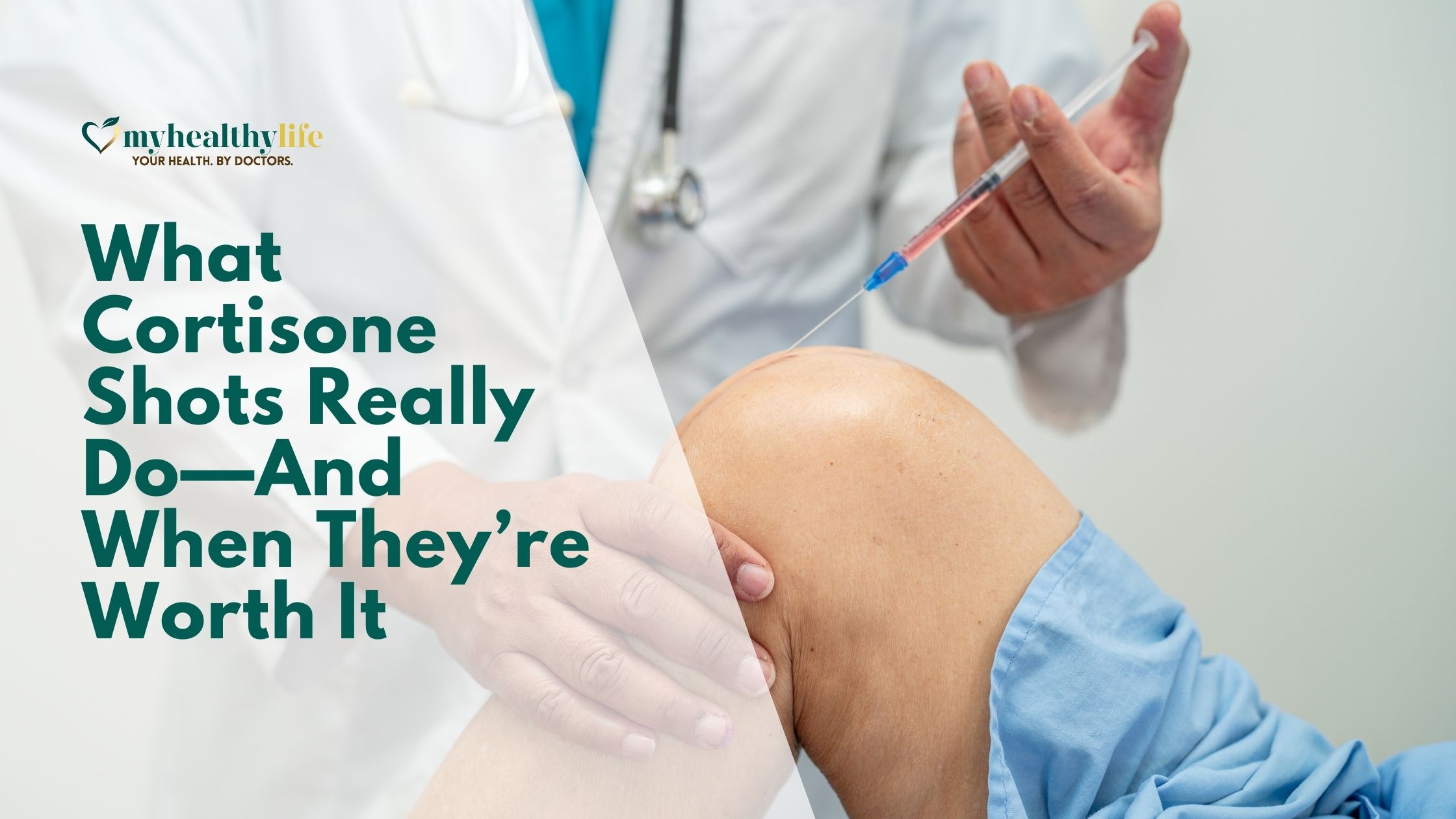
Cortisone is a powerful anti-inflammatory medicine. When injected directly into a swollen joint, it calms inflammation fast—relieving pain and reducing swelling in the process.
Doctors commonly recommend cortisone shots for:
- Arthritis (especially in knees, hips, shoulders)
- SI joint pain
- Tendonitis or bursitis
- Severe joint inflammation following injury
🩺 It’s not the same as a painkiller. Cortisone tackles the inflammation causing your pain—not just the pain signal itself.
What Cortisone Helps Best
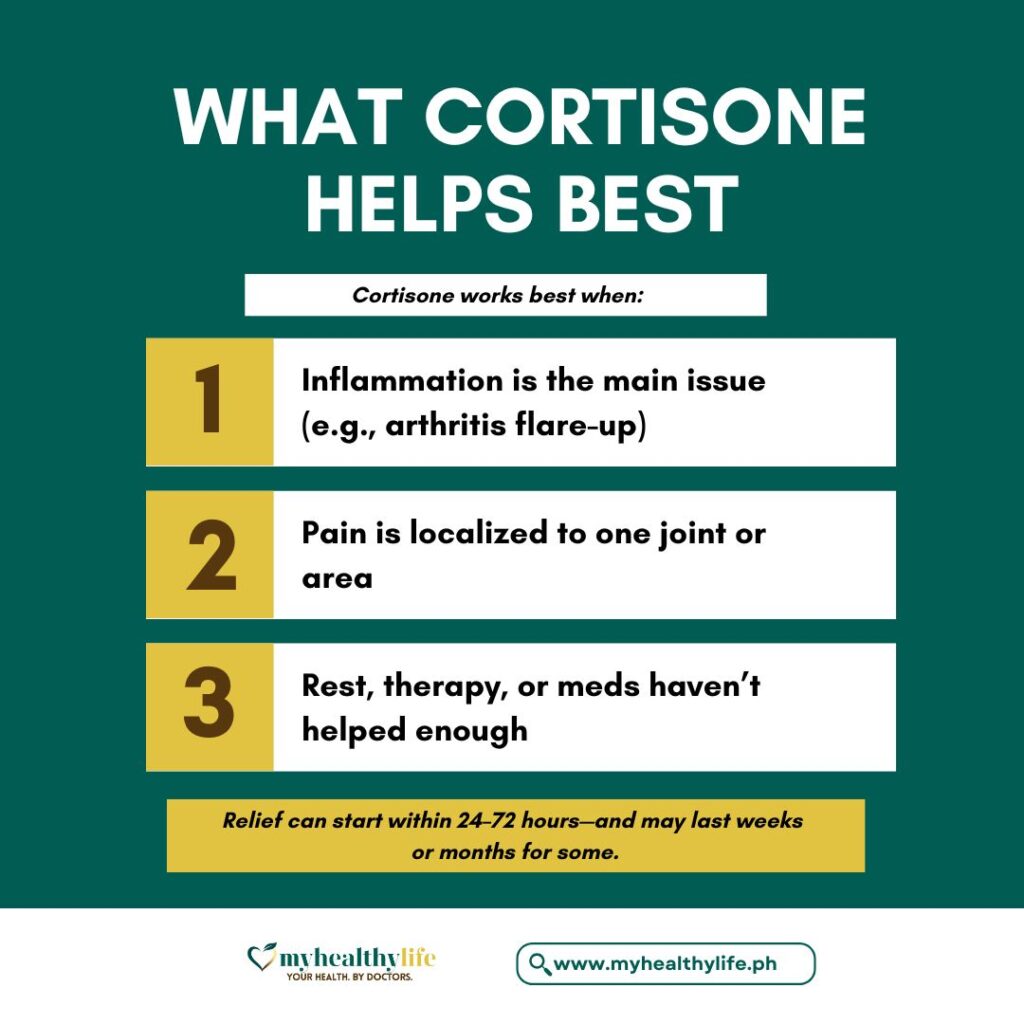
Cortisone works best when:
- Inflammation is the main issue (e.g. arthritis flare-up, swollen joint)
- Pain is localized in one specific area
- Other options like therapy or rest haven’t worked
You may feel relief within 24–72 hours, and for some, it can last weeks to months.
But It’s Not a Cure (And Here’s Why)
This is where expectations matter. Cortisone doesn’t fix the root cause—it manages symptoms. That means:
- If the problem is ongoing wear-and-tear, like osteoarthritis, relief might be short-lived.
- If the issue is mechanical (like a torn meniscus), cortisone might mask the pain without solving the underlying issue.
Too many people feel better, push through activities, and make the damage worse over time.
How Often Can You Get It?
Most doctors recommend no more than 3–4 injections per year per joint. Why? Because repeated shots can weaken:
- Tendons
- Cartilage
- And even joint structure over time
Long-term overuse can actually backfire—especially if you skip the rehab part.
Cortisone + Movement = Best Outcome
For many, a single cortisone shot can be a window of opportunity—giving just enough relief to start physical therapy or strengthening exercises.
If your doctor offers one, ask:
- “What should I do after this shot to prevent the pain from coming back?”
- “Do I need a follow-up plan, like PT or rehab?”
🏋️♀️ Movement, not medicine alone, is what usually makes the lasting difference.
Are There Side Effects?
Most side effects are temporary, like:
- Mild swelling or soreness at the injection site
- Flushed face or warm feeling for a day or two
- Slight blood sugar rise (especially in people with diabetes)
Serious side effects are rare, but repeat injections raise the risk of joint damage over time.
So… Is It Worth It?
A cortisone shot can be life-changing when:
- The pain is sharp, sudden, and tied to visible swelling
- You’re stuck and can’t progress with rehab because of pain
- You need short-term relief while waiting for surgery or therapy
But if you’re using cortisone as a band-aid every few months without addressing the deeper cause… it’s time to reassess.
Choose Relief With a Plan
Don’t think of cortisone as a solution. Think of it as a tool—one that works best when paired with the right follow-up.
Ask your doctor:
- What’s the root cause of my pain?
- What happens after the shot wears off?
- How can I stay pain-free long-term?
Take the shot if you need it—but don’t skip the bigger plan. Because real healing isn’t just about stopping pain. It’s about restoring strength.
From Relief to Recovery—With MyHealthyLife
Looking for ways to move smarter, recover better, and prevent future pain?
MyHealthyLife has your back (and joints).
Let’s build long-term relief—together.
Share:
Related Posts

Why Your Back Pain Keeps Coming Back—Despite Rest

When Your Doctor Orders a Bone Scan: What to Expect