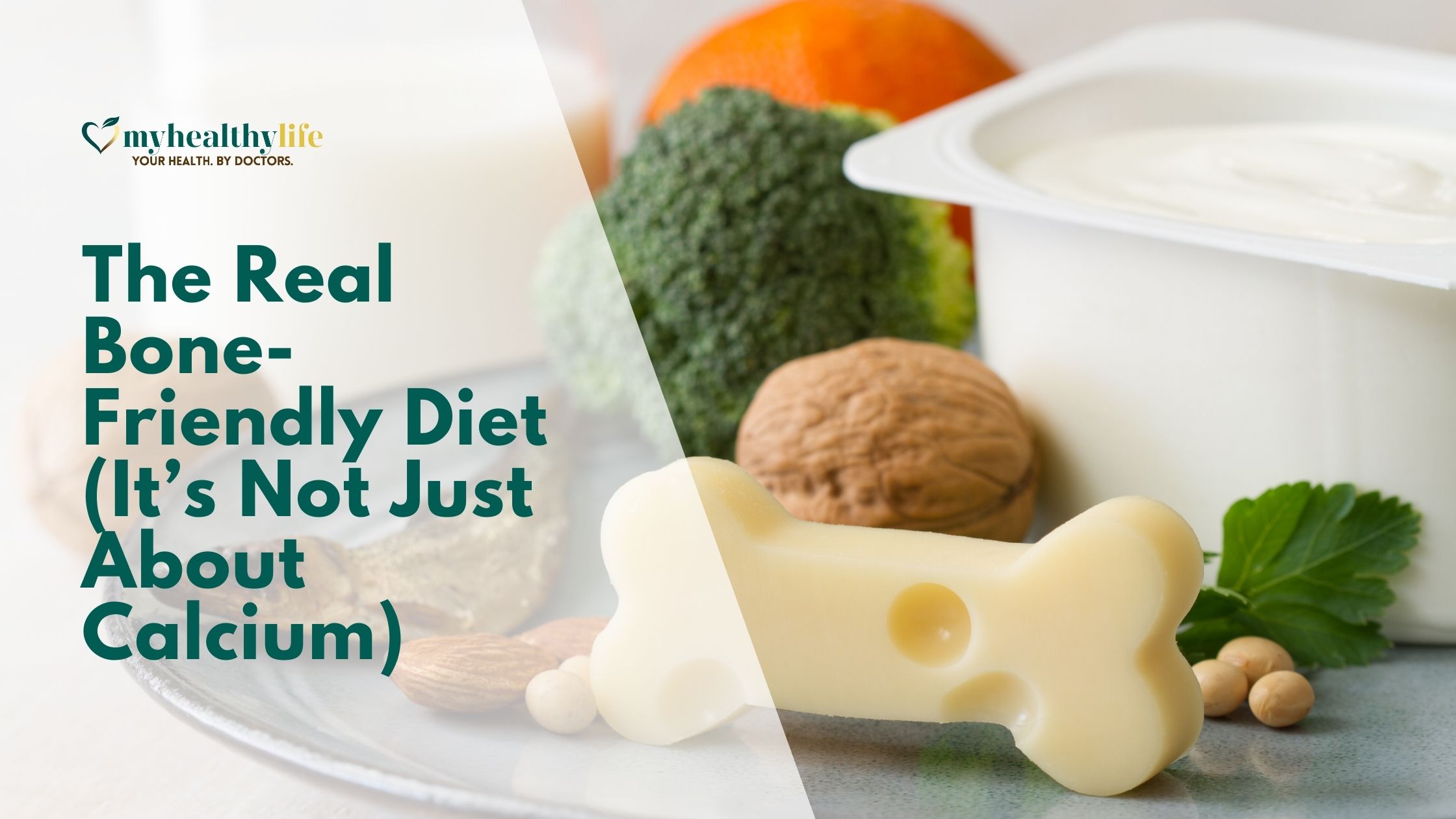
When we think of bones, one word usually comes to mind: calcium. And while it’s true that calcium is crucial for healthy bones, it’s far from the whole picture. Relying on milk alone or popping calcium supplements without understanding the bigger nutrient puzzle can leave your bones under-supported—and, ironically, even increase your risk for osteoporosis in the long run.
A real arthritis treatment diet—the kind that supports strong bones, reduces inflammation, and helps you stay mobile as you age—requires more than one mineral. It’s a full-body strategy involving protein, vitamin D3, magnesium, leafy greens, sunshine, and even gut health.
Let’s break down what a truly “bone-friendly” plate looks like—and what most people still get wrong.
Why Calcium Alone Isn’t Enough
Yes, calcium is a building block of bones. But to absorb and use calcium properly, your body needs vitamin D3, magnesium, and other cofactors. Without them, calcium might just float around unused—or worse, deposit in the wrong places, like your arteries.
If you’re already dealing with arthritis symptoms, joint stiffness, or early signs of bone loss, your body’s demands go up. It’s not just about density—it’s also about maintaining the flexibility and strength of the tissue surrounding your joints.
Here’s where the rest of the bone-building team comes in.
The Nutrients That Build Strong Bones
A good arthritis treatment diet is built around synergy. Let’s look at the all-star nutrients that work together to make bones resilient, not brittle.
1. Vitamin D3 – The Calcium Gatekeeper
No matter how much calcium you consume, if you’re low on vitamin D3, your body can’t absorb it effectively. Vitamin D3 also helps regulate bone remodeling, reducing the risk of fractures and osteoporosis as you age.
Where to get it:
- Direct sunlight (10–15 minutes a day on arms and face)
- Fatty fish (like salmon, sardines)
- Fortified foods or a daily D3 supplement (especially if you’re indoors or have darker skin)
2. Magnesium – The Unsung Bone Hero
Magnesium helps convert vitamin D into its active form and directs calcium into your bones instead of your soft tissues. Most people don’t get enough, especially women over 40.
Where to get it:
- Nuts and seeds (almonds, pumpkin seeds
- Leafy greens (spinach, kale)
- Whole grains, legumes, and dark chocolate (yes, it counts!)
3. Protein – Not Just for Muscles
Your bones are 50% protein by volume. Skimping on protein weakens bone structure and slows down healing if you already have arthritis or joint inflammation.
Where to get it:
- Lean meats, eggs, fish
- Legumes (like lentils or chickpeas)
- Tofu or tempeh (bonus: these contain bone-supportive phytoestrogens)
Aim for 1–1.2 grams of protein per kilogram of body weight, especially if you’re over 50.
4. Calcium – Still Vital, But Smartly Sourced
Get calcium from food first, not just supplements. Over-supplementing without balancing nutrients can be risky. Think quality, not quantity.
Where to get it:
- Dairy: yogurt, cheese, milk
- Fortified plant-based milks (soy, almond with calcium)
- Leafy greens: bok choy, collards, kale
- Tofu, sardines with bones, tahini
Adults over 50 need around 1,200 mg of calcium daily—split between food and, if needed, modest supplementation.
What About Bone Supplements?
While bone supplements can help, especially for people with limited diets or absorption issues, they’re not magic pills. Always look for balanced formulations that include calcium, vitamin D3, magnesium, and vitamin K2, which directs calcium into bones.
Avoid “megadose” supplements unless prescribed. More is not always better—balance is the key.
Foods That Fight Inflammation, Too
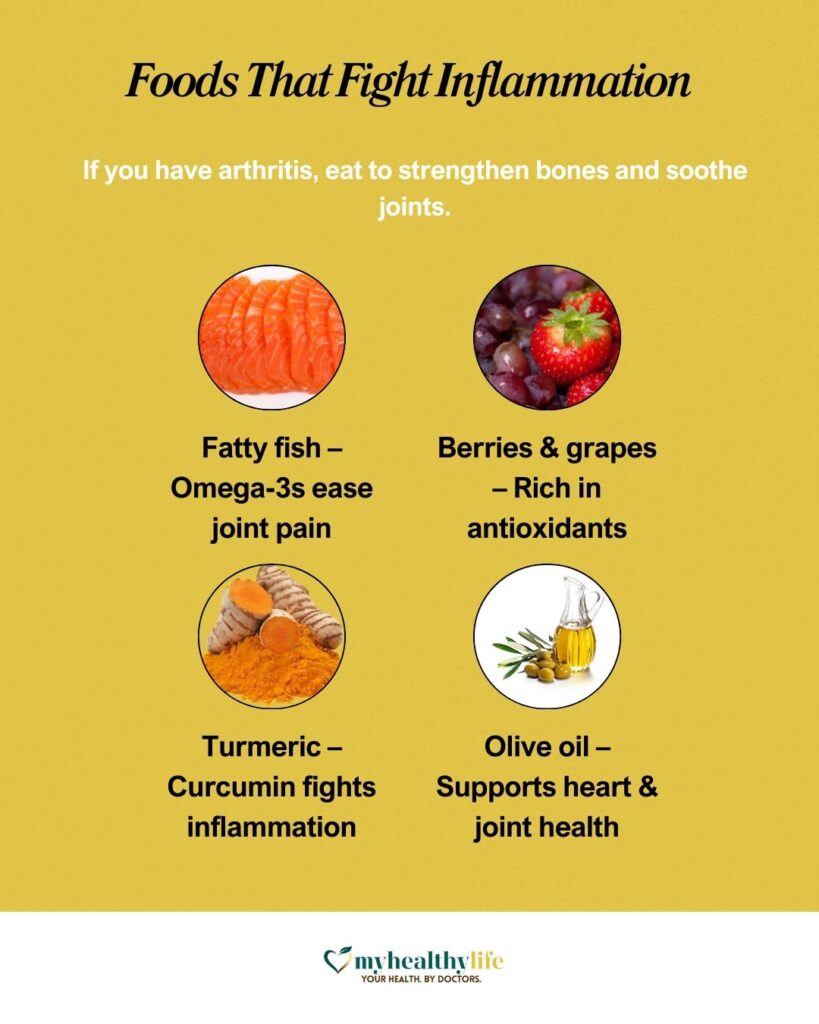
If you’re dealing with arthritis, you need a diet that not only builds bones but calms inflammation in the joints.
Anti-inflammatory, bone-friendly foods include:
- Fatty fish (omega-3s ease joint pain)
- Berries and grapes (high in antioxidants)
- Turmeric (curcumin fights inflammation)
- Olive oil (heart and joint protective)
Avoid excess sugar, processed meats, and soda—they worsen inflammation and may interfere with calcium absorption.
The Gut-Bone Connection
Did you know your gut microbiome plays a role in calcium absorption and vitamin D activation?
Probiotic-rich foods (like yogurt, kimchi, kefir) and fiber-rich veggies (like garlic, onions, leeks) help build a gut that supports better nutrient use—especially important in any long-term arthritis treatment diet.
Sample Bone-Boosting Day on a Plate
Breakfast
• Greek yogurt with chia seeds and berries (calcium + protein + fiber)
• 1 boiled egg (vitamin D + protein)
Lunch
• Grilled tofu with stir-fried bok choy, garlic, and sesame oil
• Brown rice (magnesium + complex carbs)
Snack
• Handful of almonds or pumpkin seeds
• Small dark chocolate square
Dinner
• Baked salmon with lemon and olive oil
• Roasted sweet potatoes + steamed kale
• 1 glass of fortified soy milk
Sunlight walk: 15 minutes before noon for a vitamin D boost 🌤️
Bone Health Checklist: Are You on Track?
Give yourself a point for every “yes”:
✅ I get 3+ servings of calcium-rich foods daily
✅ I spend 10–15 minutes in the sun most days
✅ I eat leafy greens at least 4x/week
✅ I include protein in every main meal
✅ I eat probiotic or gut-supporting foods regularly
✅ I limit soda, processed meats, and excess sugar
✅ I move daily and include strength-based activities
Score 5 or more? You’re building bone the smart way.
Less than 5? Time to upgrade your plate—and protect those joints for the long run.
Share:
Related Posts

Why Your Back Pain Keeps Coming Back—Despite Rest
When Your Doctor Orders a Bone Scan: What to Expect