For many people, the expectation is simple: acne is a teenage problem. You wait it out, survive the awkward high school years, and one day—like magic—your skin clears up. But if you’ve hit your 30s (or beyond) and those pesky breakouts are still showing up—or worse, they’re getting worse—you’re not alone. Adult acne is a growing concern, and it’s not just about vanity. It’s about understanding what’s really happening in your body and finding the right acne treatment that works for your age, skin type, and lifestyle.
Let’s dig into the surprising reasons why breakouts stick around long after prom night and how you can finally take control.
Why Acne Doesn’t Always End with Adolescence
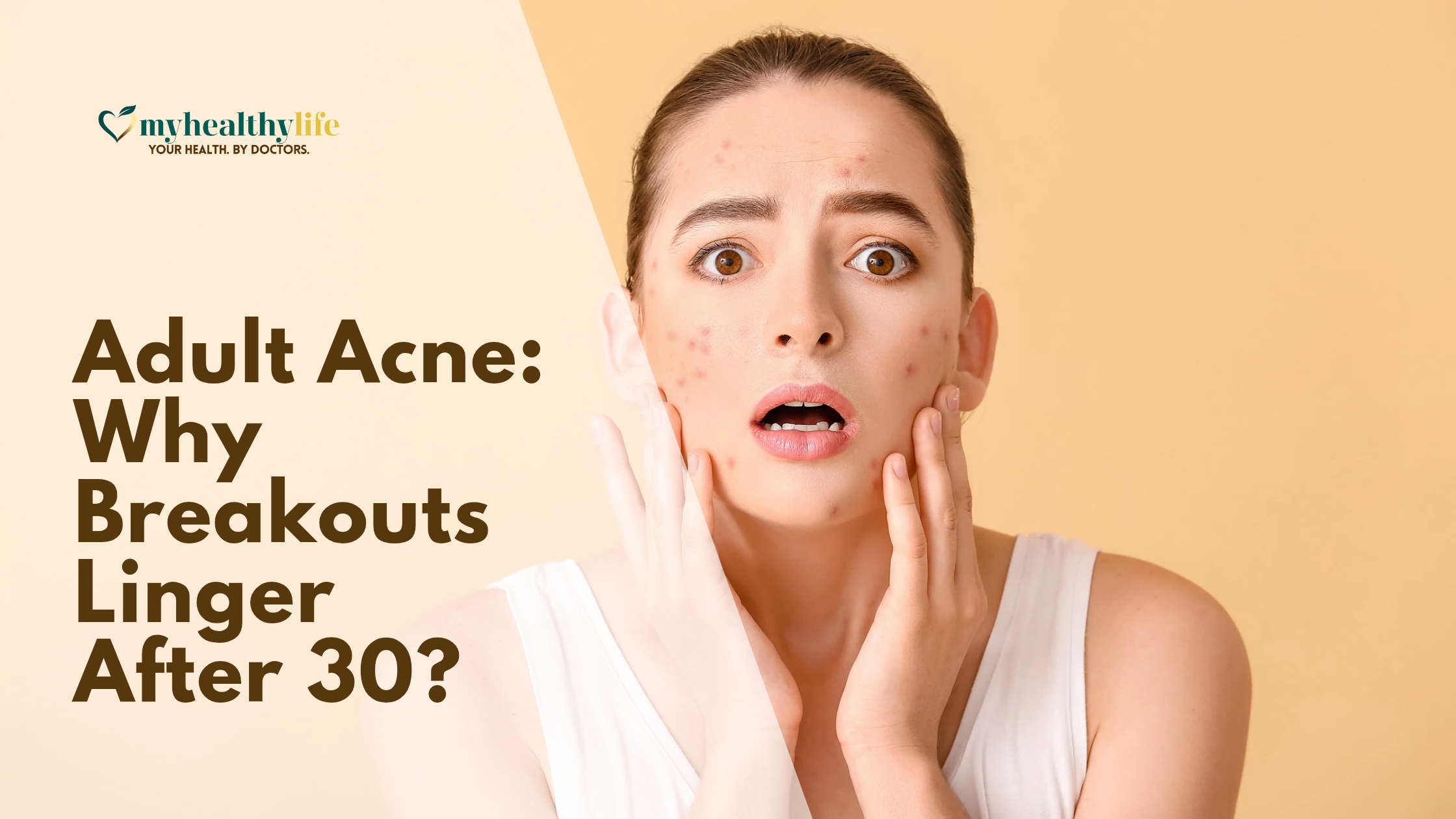
Acne isn’t just about oily skin or bad luck in the genetics lottery. For adults, it’s often a perfect storm of hormonal changes, stress, skin allergies, and even underlying conditions that can mimic acne.
- Hormonal fluctuations: Women, in particular, can experience cyclical breakouts due to shifts in estrogen and progesterone during menstruation, pregnancy, perimenopause, or conditions like PCOS.
- Stress overload: High-stress lifestyles elevate cortisol, which can kick oil glands into overdrive.
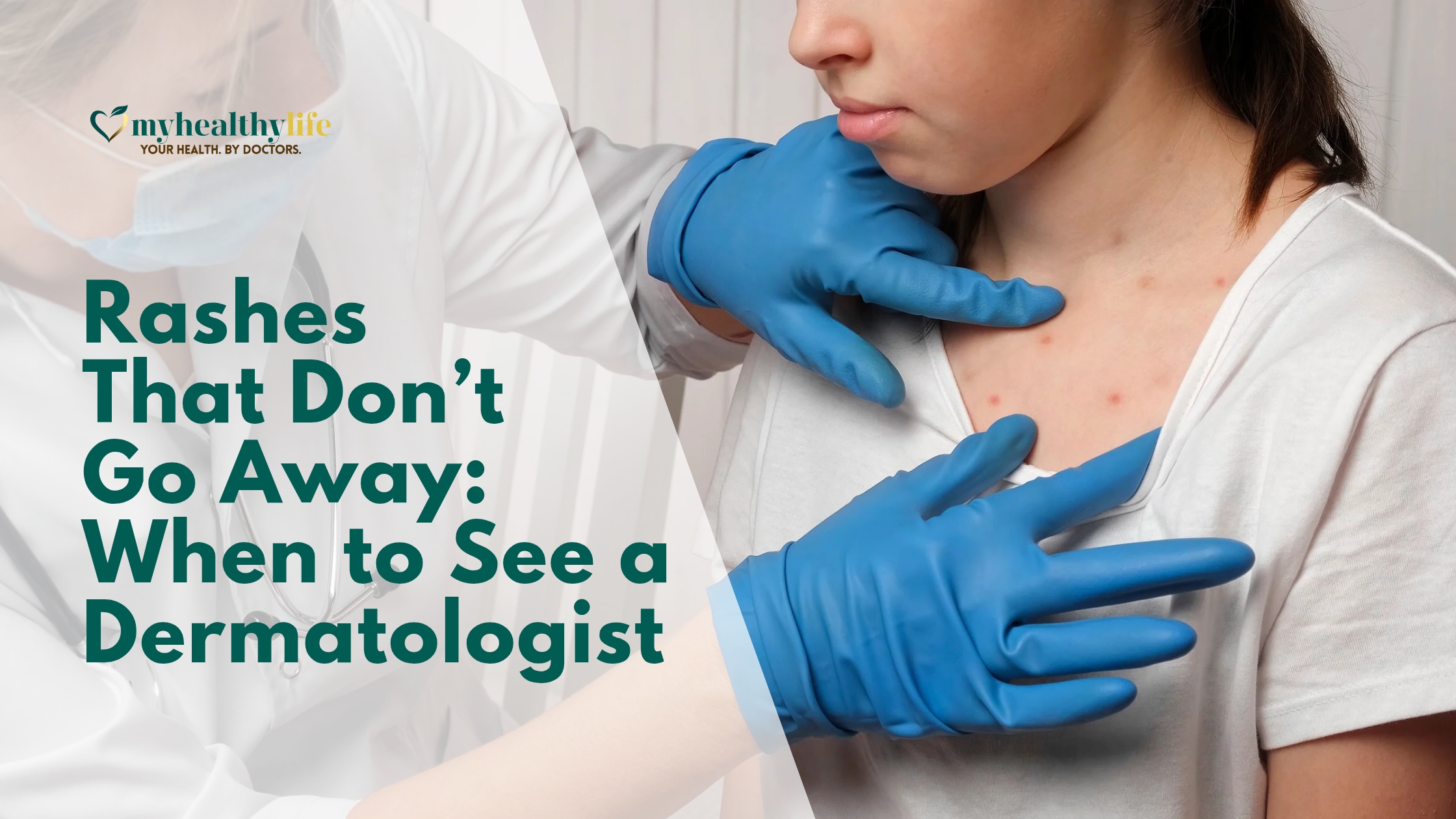
- Allergic reactions: What looks like acne could actually be contact dermatitis—an allergic reaction to skincare, makeup, or even laundry detergent.
- Misdiagnosis: Certain conditions like rosacea or folliculitis can resemble acne but require totally different treatments.
Hormonal Acne: Not Just for Teens
If your breakouts appear mostly along the jawline, chin, and neck—often as deep, tender bumps—it could be hormonal acne. This type tends to flare up in sync with your menstrual cycle and is notoriously stubborn against typical over-the-counter acne creams.
Treatment strategies:
- Prescription topical retinoids or benzoyl peroxide
- Hormonal therapies like birth control pills or spironolactone (for women)
- Diet tweaks that reduce high-glycemic and dairy intake
Stress and Your Skin’s SOS Signals
You might not connect a busy week at work with the new cluster of pimples on your cheek, but stress-induced acne is very real. Chronic stress can slow skin healing, increase inflammation, and trigger breakouts.
Your game plan:
- Mindful activities (meditation, yoga, walking)
- Consistent sleep schedule
- Reducing processed sugar and caffeine spikes
Allergies and Skin Sensitivities
Sometimes what you’re treating as acne is actually your skin’s allergic flare-up. Skin allergy reactions—especially allergic contact dermatitis—can look like red, inflamed bumps that don’t respond to typical acne treatments.
Watch for triggers like:
- Fragrance in skincare products
- Nickel in jewelry
- Preservatives in cosmetics
- Certain sunscreen ingredients
When in doubt, an allergist or dermatologist can run patch testing to pinpoint the culprit.
When It’s Not Acne at All
Conditions that can mimic acne include:
- Rosacea: Redness and pimple-like bumps, especially in the center of the face
- Perioral dermatitis: Rash around the mouth or eyes
- Folliculitis: Infection of hair follicles, often from shaving or tight clothing
Each has its own treatment approach, so an accurate diagnosis is key.
The Modern Acne Treatment Approach
For adult acne, treatment isn’t one-size-fits-all. Your dermatologist may combine several methods for the best results.
Topical options:
- Retinoids to unclog pores and boost cell turnover
- Benzoyl peroxide to kill acne-causing bacteria
- Azelaic acid for redness and mild pigmentation
Oral medications:
- Antibiotics for short-term inflammation control
- Hormonal therapy for women with confirmed hormonal acne
- Isotretinoin for severe, resistant cases
Lifestyle adjustments:
- Consistent skincare routine (gentle cleanser, non-comedogenic moisturizer, sunscreen)
- Balanced diet rich in whole foods
- Avoiding harsh scrubbing or over-cleansing
When to See a Doctor
You should book a professional consultation if:
- Your acne is painful, cystic, or leaving scars
- Over-the-counter treatments haven’t worked after 2–3 months
- Breakouts are accompanied by other symptoms (e.g., irregular periods, sudden hair loss)
- You suspect a skin allergy or eczema
Your Adult Acne Self-Check Guide
Before you try another new serum or cream, run through this quick checklist:
- Are my breakouts clustered in hormone-sensitive areas like the jawline or chin?
- Have I noticed a pattern with my menstrual cycle, stress, or diet?
- Could my skincare or makeup contain potential allergens?
- Have I ruled out other skin conditions like rosacea or folliculitis?
- Am I giving treatments enough time to work (6–12 weeks)?
If you’ve ticked more than one box, it’s time to rethink your approach.
The Bottom Line
Adult acne can be frustrating, but it’s not a sign you’re “too old” to care about your skin—it’s a sign your body is still changing, and your skincare needs to change with it. Understanding the root cause is half the battle. With the right mix of treatments, lifestyle shifts, and a bit of patience, clear skin is still possible at any age.
At MyHealthyLife, we believe skin confidence is a lifelong journey. Whether you’re 18 or 48, your skin deserves care that evolves with you. Start by listening to your skin’s signals—then give it the support it needs.
https://www.aad.org/public/diseases/acne/causes/adult
https://www.mayoclinic.org/diseases-conditions/acne/in-depth/adult-acne/art-20045890
Share:
Related Posts
Skin & Immunity in Your 30s, 40s, and 50s: How to Keep Both in Top Shape
Shingles: Why Your Risk Grows After 50