Shingles, also called herpes zoster, has a reputation for catching people off guard—especially those who thought chickenpox was a long-forgotten childhood memory. But for adults over 50, this viral condition is far from rare. In fact, your risk rises sharply with age, and if you’ve had chickenpox before, the virus is already quietly waiting in your body.
This isn’t just a mild rash you can brush off. Shingles can bring intense nerve pain, a blistering rash, and in some cases, serious complications that affect vision, hearing, or long-term nerve function. Understanding why shingles happens, how to spot it early, and what you can do to prevent it is essential—especially as you get older.
What Exactly Is Shingles?
Shingles is caused by the reactivation of the varicella-zoster virus—the same virus that causes chickenpox. Once you’ve had chickenpox, the virus never truly leaves your body. Instead, it hides in nerve cells, lying dormant for decades. For most people, it stays quiet. But for some, especially those over 50, it can suddenly “wake up,” travel along nerve pathways, and cause the painful rash we call shingles.
Why Age Matters
The biggest reason shingles risk increases with age is the natural decline of the immune system, known as immunosenescence. As you get older, your body becomes less efficient at keeping certain viruses under control. The varicella-zoster virus takes advantage of that dip in immunity, reactivating when your defenses are down.
Several age-related factors play a role:
- Weakened Immune Response: Even if you’re generally healthy, your immune system naturally slows with age.
- Chronic Health Conditions: Diabetes, heart disease, or autoimmune disorders can make you more susceptible.
- Stress and Fatigue: High stress and lack of rest can suppress immune defenses.
- Medications: Certain treatments, like chemotherapy or long-term steroid use, can also lower immunity.
Recognizing Shingles Symptoms
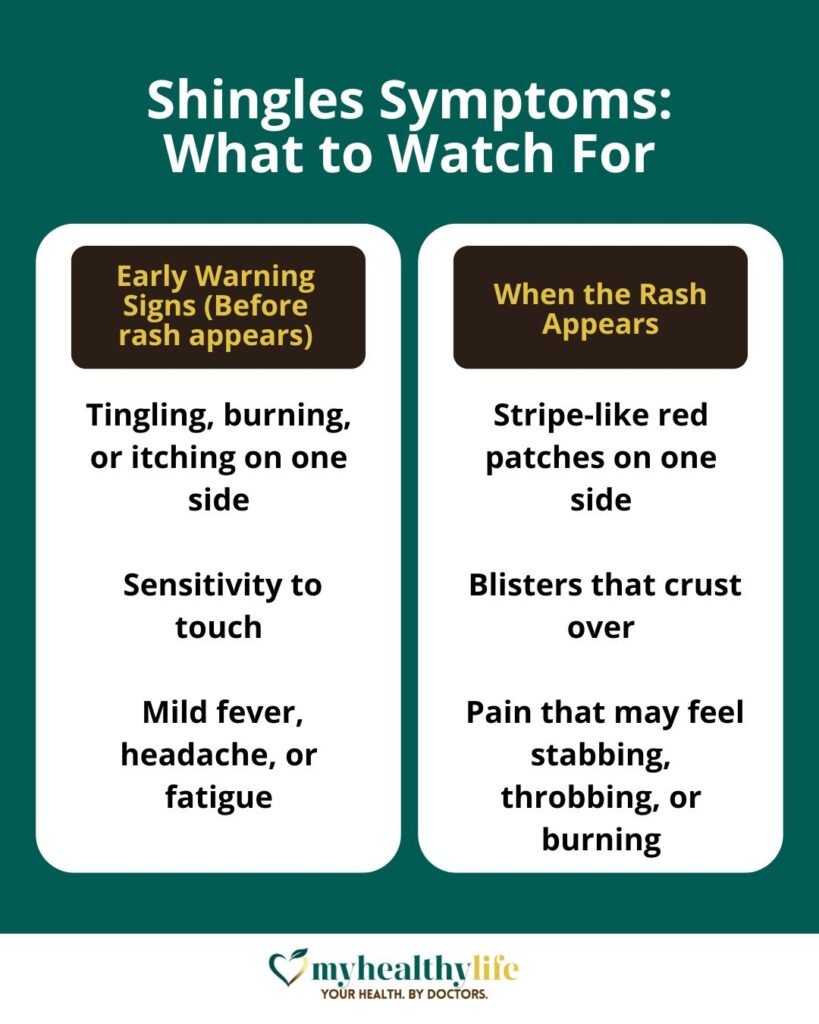
Shingles often begins with subtle warning signs before the rash appears. Knowing these early symptoms can help you get treatment faster, which may reduce the severity and duration.
Common early signs include:
- Tingling, burning, or itching in a specific area on one side of the body
- Sensitivity to touch
- Mild fever, headache, or fatigue
When the rash appears:
- It usually develops in a stripe or patch on one side of the body or face.
- Small red spots turn into fluid-filled blisters that eventually crust over.
- Pain can be intense—sometimes described as stabbing, throbbing, or burning.
The Pain That Lingers: Postherpetic Neuralgia
For some, the pain doesn’t stop when the rash heals. Postherpetic neuralgia (PHN) is a complication where nerve pain persists for months or even years after shingles. The older you are when you get shingles, the higher your risk of PHN.
This is why early treatment is critical. Antiviral medications, when started within 72 hours of rash appearance, can help shorten the illness and reduce complications.
Shingles and Eye or Ear Complications
Shingles can be more than skin-deep. If it affects the nerves around your eyes (ophthalmic shingles), it can cause vision problems or even blindness if untreated. Similarly, shingles affecting the ear (Ramsay Hunt syndrome) can lead to hearing loss, dizziness, or facial paralysis.
If your rash appears near the eyes, ears, or nose—or you develop sudden vision or hearing changes—seek medical care immediately.
How Is Shingles Treated?
Shingles treatment focuses on reducing symptoms, speeding recovery, and preventing complications. Your doctor may prescribe:
- Antiviral medications (acyclovir, valacyclovir, famciclovir) to shorten the illness.
- Pain relief (over-the-counter painkillers, prescription medication, or topical creams).
- Cool compresses and soothing baths to ease skin discomfort.
Early intervention is key—waiting too long to see a doctor can make symptoms worse and recovery slower.
Can You Prevent Shingles?
Yes—through vaccination. The shingles vaccine significantly reduces your risk, even if you’ve already had shingles before.
- Shingrix is the preferred vaccine in many countries, recommended for adults 50 and older. It’s given in two doses, 2–6 months apart.
- Vaccination can reduce your risk of shingles by over 90% and also lowers the chance of developing PHN.
Talk to your doctor about when to get vaccinated, especially if you have underlying health conditions.
Everyday Habits to Lower Your Risk
While vaccination is your best defense, supporting your immune system through healthy habits can help keep the virus in check:
- Eat a balanced diet rich in fruits, vegetables, and lean protein.
- Exercise regularly to improve circulation and immune function.
- Manage stress with relaxation techniques, mindfulness, or hobbies.
- Get enough sleep to allow your body to repair and recover.
- Stay up-to-date on all adult vaccines to reduce illness that can weaken your immune system.
Myths and Misconceptions About Shingles
Myth 1: Only older people get shingles.
While shingles is more common after 50, it can happen at any age—especially in those with weakened immunity.
Myth 2: You can catch shingles from someone else.
You can’t “catch” shingles, but someone with shingles can pass the varicella-zoster virus to someone who’s never had chickenpox, causing chickenpox—not shingles.
Myth 3: Shingles is just a skin problem.
Shingles is a nerve infection. The rash is a visible sign, but the real damage happens in the nerves, which is why pain can persist.
Living Well After Shingles
If you’ve had shingles once, it can return, though it’s less common. Protecting your immune system, reducing stress, and staying vaccinated are your best tools for avoiding a second round.
If you experienced PHN, talk to your doctor about pain management options—these may include nerve pain medications, physical therapy, or complementary treatments like acupuncture.
Final Takeaway
Shingles is more than an uncomfortable rash—it’s a sign that your immune system is letting a long-dormant virus wake up. For those over 50, it’s not a question of “if” but often “when” the virus might resurface. Recognizing symptoms early, seeking prompt treatment, and getting vaccinated can make the difference between a mild illness and a long, painful recovery.
Your health journey in your 50s and beyond is all about staying ahead of the changes your body faces. Shingles prevention is one way to keep living fully, without the shadow of unexpected illness.
References:
- CDC – Shingles (Herpes Zoster)
- Mayo Clinic – Shingles
- World Health Organization – Varicella and Herpes Zoster
This article is part of MyHealthyLife’s commitment to helping adults understand and protect their health through every stage of life.
Share:
Related Posts
Skin & Immunity in Your 30s, 40s, and 50s: How to Keep Both in Top Shape
Rashes That Don’t Go Away: When to See a Dermatologist