Getting a cholesterol test sounds simple enough: go to the clinic, give some blood, wait for the results. Done, right?
Not quite.
If you want accurate results—and more importantly, to make the right decisions based on them—preparation matters. What you eat, how long you fast, and how you interpret the results can all make or break your understanding of your heart health.
So let’s walk you through how to prep for your test like a pro—and what to ask your doctor once the numbers are in.
What Is a Cholesterol Test, Really?
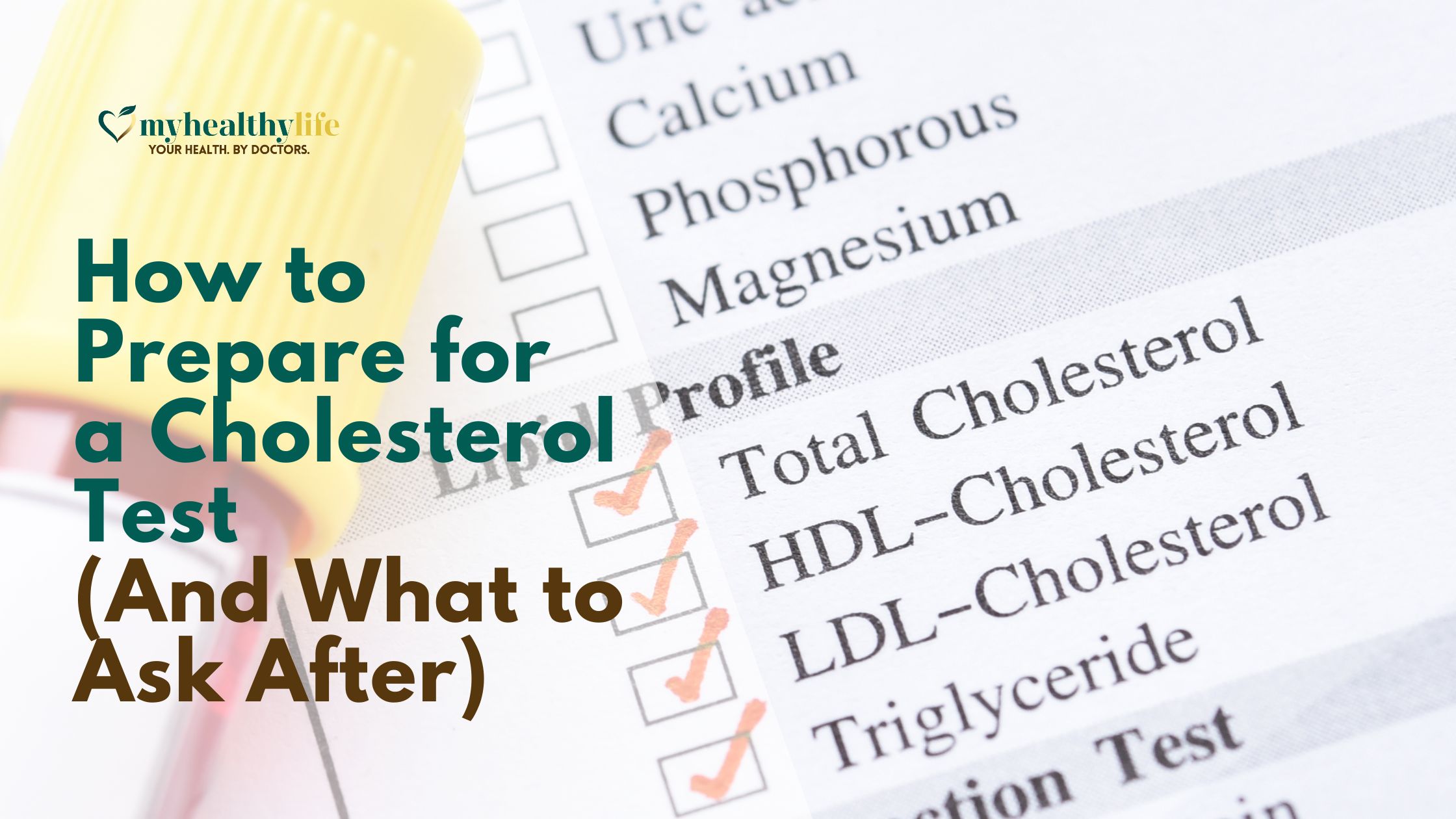
Also called a lipid profile or lipid panel, this blood test measures the fats (lipids) in your blood. You’ll usually get numbers for:
- Total cholesterol: The sum of all cholesterol in your blood
- LDL (“bad” cholesterol): High levels clog arteries
- HDL (“good” cholesterol): Helps clear excess cholesterol
- Triglycerides: Another type of fat linked to heart risk
These numbers help assess your risk for heart disease and stroke, even if you’re young and feel healthy.
Do You Need to Fast Before a Cholesterol Test?
In most cases—yes. Especially for first-time tests or if you’re checking triglycerides, which are very sensitive to food.
Standard fasting time: 9 to 12 hours
(Water is allowed. No food, coffee, or milk.)
Some modern clinics do offer non-fasting lipid tests, but these are usually used for follow-ups or for people who can’t fast due to health reasons. Always ask your doctor what type of test is being done.
What NOT to Do Before a Cholesterol Test
If you want your test to reflect your usual health—not just a one-time spike—avoid these before your test:
❌ Don’t binge on fatty food the day before
That lechon or creamy pasta might skew your numbers. Stick to light, balanced meals 24 hours before the test.
❌ Don’t drink alcohol for at least 24–48 hours
Alcohol raises triglycerides and can interfere with accurate readings.
❌ Don’t exercise intensely right before
Yes, even a “healthy” activity like HIIT or a long run can temporarily increase cholesterol levels. Keep it light the day before.
❌ Don’t take supplements (unless prescribed)
Fish oil, niacin, and even herbal products can affect your results. Ask your doctor which meds to pause—especially if you’re doing a baseline test.
What About Cholesterol Foods?
Unlike what most people think, eating a few high cholesterol foods before a test won’t instantly spike your cholesterol levels. It’s your overall pattern of eating over weeks and months that influences long-term lipid levels.
Still, avoid overly fatty, greasy, or sugar-heavy meals for a couple of days before your test to prevent triglyceride spikes.
What Do the Numbers Mean?
So your results come back. Great! But what do they actually mean?
Let’s break it down.
Lipid Component | Ideal Range | What It Means |
Total Cholesterol | Less than 200 mg/dL | Overall measure, but not the full story |
LDL Cholesterol | Less than 100 mg/dL (ideal) | The lower, the better |
HDL Cholesterol | Above 60 mg/dL (ideal) | Higher is better; protects your heart |
Triglycerides | Less than 150 mg/dL | High levels linked to heart risk |
Note: These are general targets. Your doctor may aim for different numbers based on your age, family history, or pre-existing conditions.
If Your Cholesterol Is High—Now What?
Don’t panic. Elevated cholesterol doesn’t always mean you need medication right away. Often, lifestyle changes are the first step—especially if this is your first abnormal reading.
Focus on:
- Avoiding fatty meats, skin-on chicken, organ meats
- Reducing fast food, butter, full-fat dairy, and processed snacks
- Eating more fruits, vegetables, whole grains, and fiber-rich foods
- Adding omega-3-rich foods like bangus, sardines, or flaxseed
- Exercising 30 minutes a day, 5 days a week
- Managing stress and getting enough sleep
- Rechecking your numbers in 3–6 months
Your doctor might also recommend repeating the test to confirm the result—especially if it was borderline or inconsistent with past trends.
Will You Need Medication?
Possibly—but not always.
Doctors will look at:
- Your total cholesterol and LDL levels
- Your HDL and triglyceride balance
- Whether you have other risk factors like diabetes, high BP, or family history
If your cholesterol test shows very high LDL (over 190 mg/dL) or your overall heart risk is high, medication like statins may be considered.
Otherwise, you’ll probably start with lifestyle changes and regular monitoring.
What About Follow-Up Tests?
Sometimes one lipid panel isn’t enough. You may also be asked to do:
- Repeat cholesterol tests to confirm results
- Blood sugar and HbA1c tests (since high cholesterol and diabetes often go hand in hand)
- Liver function tests if meds are being considered
- EKG or cardiac stress tests if symptoms like chest tightness or fatigue are present
Doctor Discussion Starter: What to Ask After Your Cholesterol Test
Instead of just grabbing your results and Googling them later, here are smart questions to ask your doctor at the clinic:
🗣️ 1. “Are these numbers high for someone like me?”
Total cholesterol doesn’t tell the full story. Your age, weight, lifestyle, and family history all factor in.
🗣️ 2. “Is this a one-time spike or part of a pattern?”
If it’s your first test or your diet was off the day before, it may not reflect your true baseline.
🗣️ 3. “Can I try lifestyle changes first—or do I need meds now?”
Understanding urgency helps you plan the next 3–6 months better.
🗣️ 4. “When should I retest?”
Mark it in your calendar. Don’t guess or delay follow-up care.
🗣️ 5. “What’s the safest way to lower my cholesterol fast?”
This helps you avoid crash diets or harmful detox trends that do more harm than good.
Final Word: Test Day Is Just the Beginning
Your cholesterol test doesn’t end when you leave the lab. That piece of paper holds valuable insights into your long-term health—but only if you know how to use it.
Whether you’re aiming to avoid meds, already managing cholesterol, or just getting your first-ever blood test, the key is consistency and clarity.
Eat smart, prep well, ask questions, and follow up. Your heart deserves more than a quick result—it deserves a plan.
💡 At MyHealthyLife, we help you turn your lab results into action.
Whether it’s your first test or your fifth, we make sense of your numbers and your next move—without fear, fluff, or confusion.
Share:
Related Posts
Heart Smart, Life Strong: Why Fitness Matters for Your Heart—Beyond the Number on the Scale
Meal Timing and Heart Health: What New Science Says