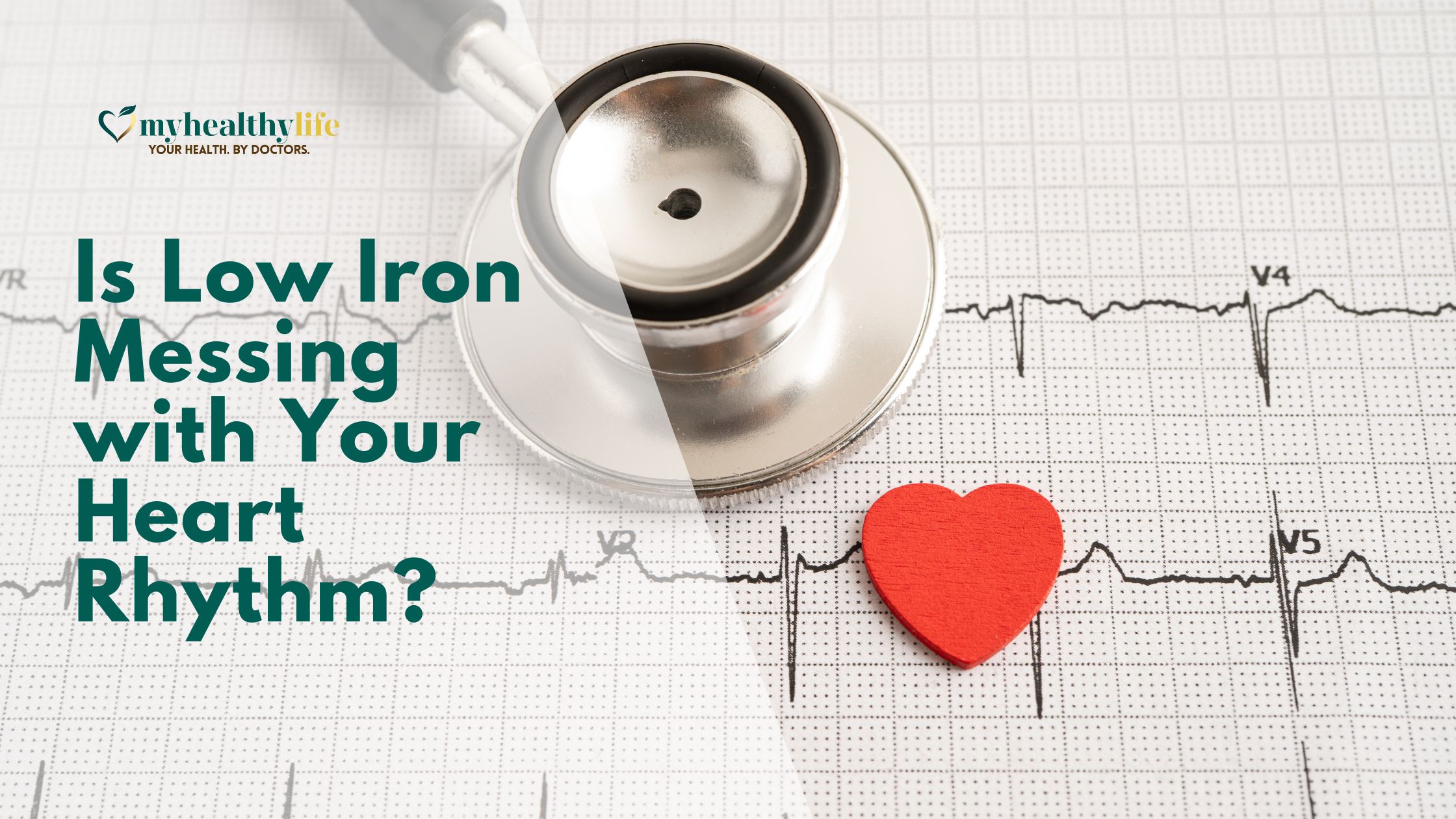
You’re not running. You’re not stressed. But suddenly, your heart flutters, skips, or races.
You take a breath—maybe two. Still, it’s there. That odd feeling in your chest.
It’s easy to blame caffeine or anxiety, but there’s another common (and often overlooked) culprit:
Low iron levels.
Also known as iron-deficiency anemia, this sneaky condition can stress your cardiovascular system more than you think—especially if it’s been quietly brewing for months.
Let’s break down how anemia and low blood pressure affect your heart, the signs to watch for, and what to do to feel strong and steady again.
What Is Iron-Deficiency Anemia?
Anemia means your blood doesn’t carry enough oxygen to your body. The most common type? Iron-deficiency anemia, which happens when your body lacks enough iron to make healthy red blood cells.
Iron is essential for making hemoglobin—the protein that carries oxygen. Without it, your cells become starved of fuel. And guess who jumps in to help?
👉 Your heart.
How Does Low Iron Affect the Heart?
When you’re anemic, your body tries to compensate for the lack of oxygen by:
- Pumping blood faster
- Increasing heart rate
- Expanding blood volume
- Dilation of blood vessels to improve oxygen delivery
This makes your heart work harder—even at rest. Over time, this effort can lead to symptoms like:
- Heart palpitations
- Irregular heartbeat
- Shortness of breath
- Fatigue and dizziness
- Chest discomfort
In severe or long-standing cases, untreated anemia can contribute to heart enlargement or heart failure—especially in people with underlying conditions.
What Do Palpitations from Anemia Feel Like?
Not all palpitations feel the same. With iron-deficiency anemia, you might notice:
- A thudding or fluttering feeling in your chest
- Feeling like your heart skipped a beat
- Racing heart even while sitting or lying down
- Palpitations that worsen with exertion or after meals
- Accompanying lightheadedness or a sense of being winded
These can mimic symptoms of arrhythmia—and sometimes anemia even contributes to them.
Related Link: When to Worry About Heart Palpitations
Learn more about serious vs benign palpitations in your 30s and beyond.
Why Anemia and Low Blood Pressure Often Go Together
One reason anemia feels so intense? It often comes with low blood pressure—especially in women with heavy periods, pregnancy, or recent illness.
Here’s why:
- Less red blood cell volume = lower total blood pressure
- Iron-deficient red cells are less effective = weaker circulation
- Dilated blood vessels (from anemia) can also lower BP further
That combo—low oxygen and low pressure—can make your heart feel like it’s overreacting, when in reality, it’s just working overtime.
When Should You Test for Iron Deficiency?
Not everyone with palpitations needs an iron test. But if you have multiple overlapping symptoms, it’s time to check your iron status—especially if you’re in a high-risk group.
Check your iron levels if you also have:
- Chronic fatigue
- Pale skin or gums
- Shortness of breath during normal activity
- Restless legs at night
- Brittle nails or hair loss
- Heavy menstrual periods
- You follow a vegan/vegetarian diet
- You’ve recently had surgery or blood loss
Ask your doctor to test:
- Ferritin (reflects stored iron)
- Hemoglobin & Hematocrit (oxygen-carrying red cells)
- Serum iron & TIBC (iron transport indicators)
Note: Ferritin can be normal even if you’re functionally low in iron—so testing a full iron panel gives a better picture.
What Causes Low Iron in the First Place?
Understanding why your iron is low helps you address the root cause—not just the symptoms. Here are the most common reasons:
In women:
- Heavy menstrual bleeding
- Pregnancy (increased demand, especially in 2nd–3rd trimester)
- Frequent blood donation
- Low-iron diets
In both men and women:
- Poor diet (low in heme iron: red meat, organ meat, seafood)
- Low absorption (due to gut conditions like celiac, Crohn’s)
- Chronic inflammation or infection
- GI bleeding (ulcers, polyps—sometimes silent)
Will Iron Supplements Fix the Problem?
For many people—yes. But timing, dose, and form matter.
If your doctor confirms iron deficiency, they may recommend:
- Oral iron supplements (ferrous sulfate, gluconate, or bisglycinate)
- With vitamin C to boost absorption
- On an empty stomach (if tolerated)
- Daily or every other day—new studies show alternate-day dosing may improve absorption and reduce side effects
Be patient. It can take 3–6 months to fully replenish iron stores—even if symptoms improve earlier.
Can Anemia Trigger Serious Heart Problems?
In most healthy adults, anemia-related palpitations are uncomfortable but not dangerous.
However, if anemia goes unrecognized, it may:
- Exacerbate underlying arrhythmias (like Afib or PVCs)
- Contribute to heart muscle strain
- Worsen conditions like heart failure or angina
- Lead to low oxygen delivery during exercise or sleep
If you already have a heart condition, even mild anemia can be risky. That’s why iron tests are often part of routine heart checkups.
Test, Treat, Thrive: 3 Steps to Regain Balance
Anemia-related palpitations can feel unsettling—but they’re usually reversible with the right care. Here’s your game plan:
Step 1: Test Thoughtfully
Ask your doctor for:
- CBC (complete blood count)
- Ferritin
- Serum iron, TIBC, transferrin saturation
- Vitamin B12 and folate (if symptoms are unclear)
Step 2: Treat the Cause
Depending on the root:
- Take iron supplements as prescribed
- Adjust your diet: more iron-rich foods (red meat, spinach, beans, tofu, shellfish)
- Pair iron foods with vitamin C sources (citrus, bell peppers)
- Address gut issues or blood loss sources if needed
Step 3: Thrive with Consistency
- Track symptoms and BP regularly
- Follow up in 2–3 months
- Keep active (as energy allows)
- Hydrate and rest
- Prioritize sleep, stress relief, and balanced meals
💡 At MyHealthyLife, we believe no symptom is “just in your head.”
If your heart feels off and your body feels tired, trust that signal. Low iron might be the missing link. And once you catch it—you can bounce back stronger than ever.
Share:
Related Posts

Heart Smart, Life Strong: Why Fitness Matters for Your Heart—Beyond the Number on the Scale
Meal Timing and Heart Health: What New Science Says