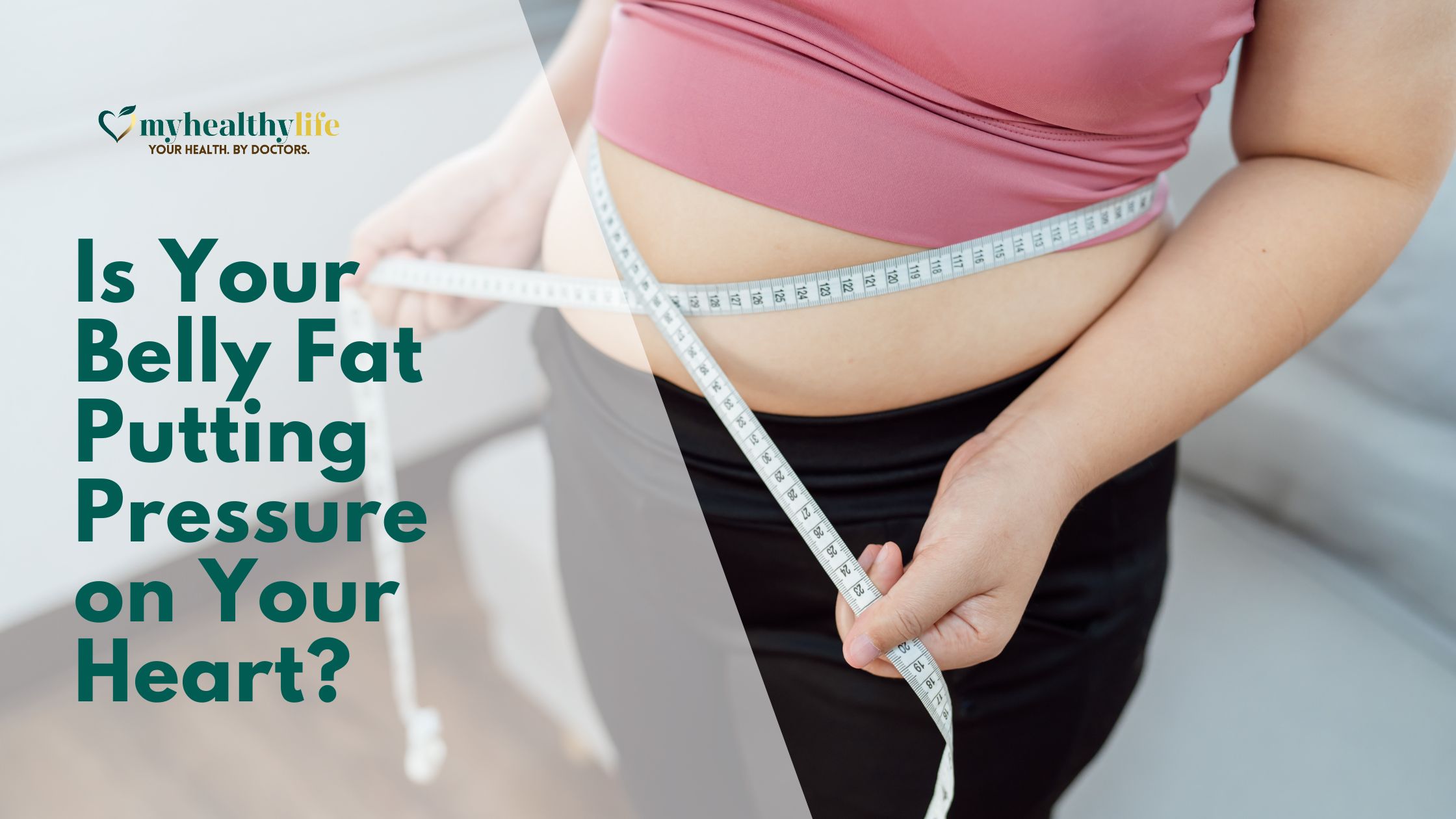
You look in the mirror and see a little “dad bod” forming. Or maybe that top button’s been harder to close lately.
But it’s not just about looks.
That growing belly fat could be quietly setting your heart up for danger—even if you feel totally fine.
Here’s the truth:
Belly fat is not just extra weight. It’s a metabolic risk zone, especially for Filipino adults. It wraps around your organs, messes with your blood vessels, and fuels the kind of inflammation that can lead to heart attacks, strokes, and even diabetes.
Let’s break down the science behind belly fat and the heart—and what you can do to cut the risk starting today.
Not All Fat Is the Same
When we talk about “belly fat,” we’re mostly referring to:
Visceral fat – the dangerous kind
- Deep fat that wraps around your internal organs
- Invisible from the outside—even slim people can have it
- Linked to heart disease, insulin resistance, and stroke
Versus:
Subcutaneous fat – the softer, visible kind
- Just under the skin
- Less harmful, though it still adds weight stress
Visceral fat acts like an active organ, constantly releasing hormones and inflammatory chemicals that damage your heart, blood vessels, and metabolism.
How Belly Fat Affects Your Heart
Belly fat isn’t just sitting there. It’s working against you in ways you might not feel—until it’s too late.
1. It Drives Chronic Inflammation
Visceral fat releases cytokines—inflammatory chemicals that disrupt normal heart function.
This “low-grade fire” in your system:
- Damages artery linings
- Increases cholesterol buildup
- Triggers insulin resistance
Over time, inflammation leads to atherosclerosis—the stiffening and narrowing of arteries that fuel heart attacks and strokes.
2. It Messes With Cholesterol
Excess belly fat contributes to an unhealthy lipid profile:
- Higher LDL (bad cholesterol)
- Lower HDL (good cholesterol)
- Higher triglycerides
This combo makes plaque more likely to build in arteries—raising your chances of a heart attack, especially under stress or physical activity.
3. It Elevates Blood Pressure
Fat around abdominal organs can:
- Compress kidneys and arteries, disrupting BP regulation
- Activate the renin-angiotensin system (a hormone loop that raises BP)
- Increase vascular resistance, forcing your heart to work harder
Many people with belly fat already have prehypertension without knowing it—until damage has been done.
4. It Fuels Metabolic Syndrome
If you have abdominal obesity, plus two or more of the following:
- High blood pressure
- High blood sugar
- High triglycerides
- Low HDL cholesterol
You likely meet the criteria for metabolic syndrome—a condition that doubles your risk for heart disease.
And here’s the kicker:
Many Filipinos don’t even know they have it. It develops silently and spreads across generations.
How Much Belly Fat Is “Too Much”?
A tape measure can reveal more than a weighing scale.
Here’s what counts as high-risk waist circumference:
Group | Risk Waistline |
Filipino Men | Over 90 cm (35.5 in) |
Filipino Women | Over 80 cm (31.5 in) |
Don’t have a measuring tape?
Look for signs like:
- Tight pants despite stable weight
- “Beer belly” that feels hard or bloated
- Weight gain mostly around the midsection
Can You Be Thin But Still at Risk?
Yes—this is called TOFI: Thin Outside, Fat Inside.
Even if you appear slim, you can carry dangerous visceral fat if you:
- Don’t exercise regularly
- Eat lots of refined carbs, sugar, or fried food
- Have a sedentary job and lifestyle
- Have a family history of diabetes or heart disease
Looks can mislead. Blood pressure, blood sugar, and lipid tests matter more than just your body size.
Signs You Should Get Checked
Schedule a check-up if you have:
- A growing belly despite unchanged weight
- New fatigue, especially after meals
- Shortness of breath during mild activity
- Family history of hypertension or heart disease
- Elevated fasting glucose or cholesterol in your last lab
Ask your doctor about tests for:
- Fasting blood sugar
- Lipid profile
- Waist circumference and BMI
- Blood pressure monitoring
Cut the Risk: Strategies That Actually Work
Losing visceral fat isn’t about crash diets or magic pills.
It’s about resetting your body’s balance through consistent, sustainable steps.
Here’s how to trim your waist—and protect your heart.
1. Move Daily
- Brisk walking, biking, or swimming
- Aim for at least 150 minutes of cardio per week
- Add strength training twice weekly (builds muscle, burns fat)
2. Eat Smart Carbs and Healthy Fats
- Replace white rice with brown, red, or quinoa (at least part of the week)
- Cut down on sugary drinks, pastries, and bread
- Load up on leafy greens, vegetables, and lean proteins
- Include heart-healthy fats: avocado, olive oil, nuts, and fish
3. Watch Portion Sizes
- The problem isn’t just what you eat—it’s how much
- Try the “plate method”:
- Half vegetables
- Quarter lean protein
- Quarter whole grains or starch
- Half vegetables
4. Sleep 7–8 Hours a Night
Poor sleep increases hunger hormones and encourages belly fat.
Prioritize deep, regular sleep—it matters more than you think.
5. Manage Stress Without Food
Stress raises cortisol, which encourages fat storage in the belly.
Instead of eating to cope:
- Walk
- Journal
- Do breathing exercises
- Talk to someone
6. Track Your Progress Without Obsession
Don’t aim for abs—aim for less pressure on your heart.
Track:
- Waistline
- Energy levels
- BP and cholesterol trends
- How your clothes fit
The results you don’t see on the scale are often the most important.
💡 At MyHealthyLife, we help you read the signs your body is giving you—before they become emergencies.
If your belly’s been growing, your risk might be too.
Shrink your waist, strengthen your heart. One step at a time.
Share:
Related Posts

Heart Smart, Life Strong: Why Fitness Matters for Your Heart—Beyond the Number on the Scale
Meal Timing and Heart Health: What New Science Says