When you hit your 40s, things start to change—some subtly, some suddenly.
You might still feel strong. You may still look young.
But internally, your heart, arteries, and blood vessels begin aging in ways that can set the stage for a future heart attack—especially if you don’t adjust your habits now.
Whether you’re a man, woman, busy professional, or stressed parent—your 40s mark a key turning point for heart health.
So what actually changes after 40?
What risks start creeping in—and what still matters just as much as ever?
Let’s break it down.
1. Blood Pressure Starts Creeping Up—Quietly
You might have had normal BP in your 20s and 30s, but around your 40s, it tends to inch upward. This is especially true if:
- You’re more sedentary due to work or parenting
- Your salt intake is creeping up
- You’re not getting enough sleep
- You’re gaining visceral fat around the belly
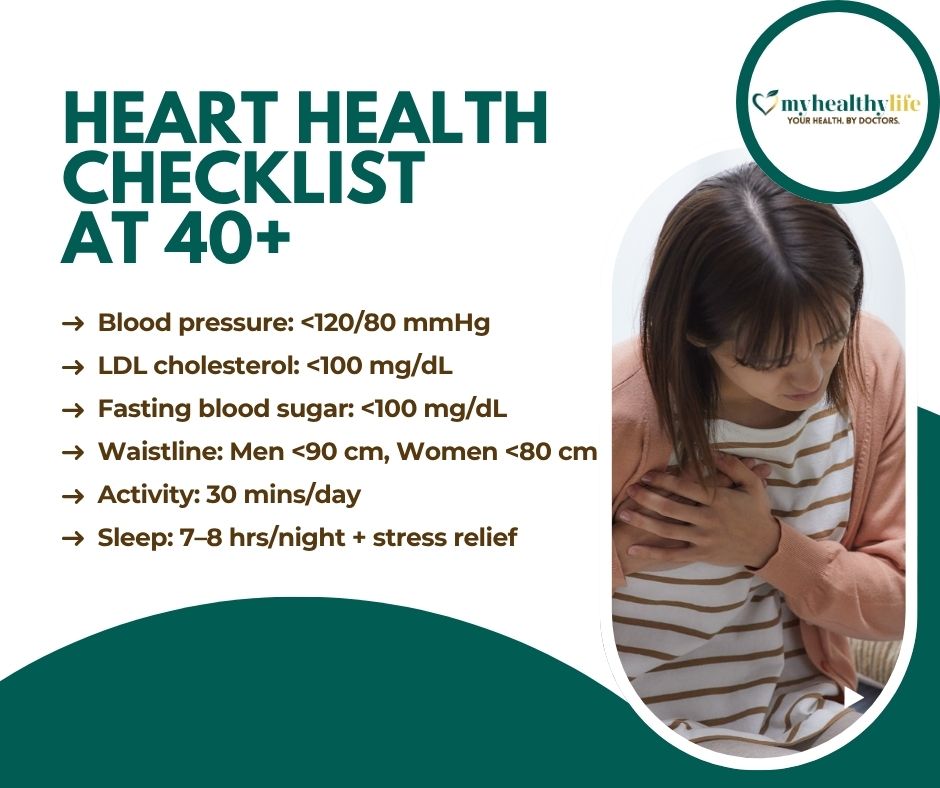
According to most blood pressure by age charts, a normal BP is still below 120/80 mmHg. But many people in their 40s drift into prehypertension or Stage 1 hypertension without knowing it.
If left unmanaged, this early rise increases your risk for:
- Stroke
- Heart attack
- Kidney disease
- Eye and brain damage over time
You may feel zero symptoms, which is why it’s essential to check your BP annually—or more often if you have family history.
2. Cholesterol Starts Playing Dirty
In your 40s, your metabolism starts to slow. Combine that with stress eating, desk jobs, or irregular exercise—and LDL (bad) cholesterol can quietly build up in your arteries.
At the same time, your HDL (good) cholesterol might go down, especially if you smoke, drink excessively, or don’t move enough.
This sets the stage for atherosclerosis—when fatty plaques narrow your arteries, making your heart work harder to pump blood.
By age 45, up to 50% of Filipinos may have borderline or high cholesterol—but many don’t know it because they’ve never had a lipid profile test.
Cholesterol doesn’t cause pain until it’s causing problems. That’s why checking your numbers now, while you feel good, is critical.
3. Diabetes Risk Ramps Up—Even in Lean People
You don’t have to be overweight to develop type 2 diabetes.
In your 40s, insulin sensitivity can drop—especially if:
- You’re eating high-carb, high-sugar meals
- You’re under chronic stress
- You’re not sleeping well
- You have a family history of diabetes
When blood sugar levels stay elevated too long, they can damage blood vessels and nerves—including the ones that keep your heart beating properly.
The scariest part? Many people with prediabetes feel completely fine.
A fasting blood sugar test or HbA1c test can detect this early—before it turns into full-blown diabetes.
4. Your Body Can Look Fit—but Still Be at Risk
This is the trap a lot of people fall into in their 40s.
You might be:
- Working out a few times a week
- Eating “okay” most days
- Not overweight by BMI
But if you’re not checking your numbers—like BP, cholesterol, or fasting glucose—you’re still guessing.
And when it comes to heart disease, guessing is dangerous.
Even “fit” individuals can have:
- High visceral fat (fat around the organs)
- Elevated cholesterol from genetics
- Masked hypertension (BP spikes only at night or during stress)
This is why many seemingly healthy people still suffer heart attacks in their 40s or 50s—often as their first symptom.
5. Stress, Burnout, and Sleep Debt Stack Up
Your 40s are full of responsibilities: work pressure, parenting, financial stress, aging parents—you name it.
Chronic stress and poor sleep:
- Increase cortisol, which raises BP
- Trigger inflammation, damaging blood vessels
- Disrupt blood sugar regulation
- Lead to emotional eating, smoking, or drinking more often
This slow daily wear and tear—if unaddressed—can harden arteries, raise cholesterol, and increase arrhythmia or heart attack risk, even without obvious symptoms.
6. Your Heart’s Risk Accelerates Faster After 40
Here’s the reality:
Men over 45 and women over 55 are at increased risk for heart disease. But for many, that risk starts building silently in their early 40s.
By age 40:
- Arterial stiffness may already begin
- Your ability to handle salt and fat may decline
- Genetic risk starts expressing itself more aggressively
- Undiagnosed issues (like sleep apnea or diabetes) often surface
Which means your annual health checks should no longer be optional. They’re your early warning system—and your best chance to take control before symptoms appear.
What You Can Do Right Now (Even If You Feel Great)
Get a full heart screening this year:
Ask your doctor for:
- Blood pressure check
- Fasting lipid profile
- Fasting blood sugar or HbA1c
- Weight, waist circumference, BMI
- Lifestyle risk evaluation (smoking, alcohol, stress)
Know your family history
Heart disease tends to run in families. If your parents or siblings had a heart attack or stroke before age 60, your risk is higher—even if you feel fine.
Move daily
Walking, cycling, swimming, or even brisk housework 30 minutes a day can reduce BP, improve cholesterol, and regulate blood sugar.
Tweak your diet slowly
- Reduce red meat, fried foods, sugary drinks
- Add more fruits, vegetables, fish, and fiber
- Watch for salt intake—even in “healthy” canned or processed food
Check your BP at home
Use a validated blood pressure monitor and track morning and evening readings for 3–7 days straight. Share this log with your doctor.
The False Comfort Checklist
Let’s finish with something honest.
Here are 5 common things people say to feel safe in their 40s—and why they can be dangerously misleading.
❌ “I feel fine.”
👉 Most heart conditions show no symptoms until they’re advanced.
❌ “I work out, so I’m safe.”
👉 Fitness helps—but if your numbers aren’t monitored, risk can still be high.
❌ “I’m not overweight.”
👉 Many lean people still have high BP, cholesterol, or sugar from genetics or diet.
❌ “My last check-up was 3 years ago, and I was fine then.”
👉 Things change fast after 40. Annual checks are the new baseline.
❌ “No one in my family has heart problems.”
👉 Great—but lifestyle, stress, and diet still play a major role in risk.
💡 At MyHealthyLife, we’re here to protect your future, not just your present.
If you’re in your 40s, your heart deserves more than a shrug and a smile. We’ll help you tune in, test early, and take real control—long before anything goes wrong.
Share:
Related Posts
Heart Smart, Life Strong: Why Fitness Matters for Your Heart—Beyond the Number on the Scale
Meal Timing and Heart Health: What New Science Says