Estrogen gets a lot of credit for regulating the menstrual cycle—but that’s just one of its many talents. This powerful hormone plays a starring role in how you think, feel, sleep, eat, and even where your body stores fat.
So if your mood’s been off, your jeans feel tighter, or your energy just isn’t what it used to be, your estrogen levels might be part of the story.
Let’s break down exactly how estrogen works—and what happens when it’s too high, too low, or out of balance.
Estrogen 101: What It Does in Your Body
Estrogen is one of the main female hormones, though everyone (including men) has it in small amounts. It’s produced mostly by your ovaries, but also in smaller amounts by fat tissue and adrenal glands.
Estrogen function includes:
- Regulating the menstrual cycle
- Maintaining healthy bones and skin
- Supporting reproductive health
- Controlling fat storage and distribution
- Affecting brain chemicals like serotonin and dopamine (your mood regulators!)
It comes in several forms (estradiol, estrone, estriol), but estradiol is the main one during your reproductive years.
Mood Swings and Anxiety? Blame the Dip
If you’ve ever felt unusually weepy or anxious right before your period, you’ve already experienced what low estrogen can do to your mood.
That’s because estrogen boosts serotonin, the “feel-good” neurotransmitter that helps regulate emotions, sleep, and appetite. When estrogen dips—whether before your period, after childbirth, or during perimenopause—serotonin tends to drop too. Cue the irritability, sadness, or overwhelm.
Signs that estrogen imbalance may be affecting your mood:
- Increased anxiety or panic attacks
- Depressed mood
- Brain fog or forgetfulness
- Difficulty sleeping
And while these symptoms are often brushed off as “stress,” they may have hormonal roots.
Weight Gain and Fat Storage: It’s Not Just About Diet
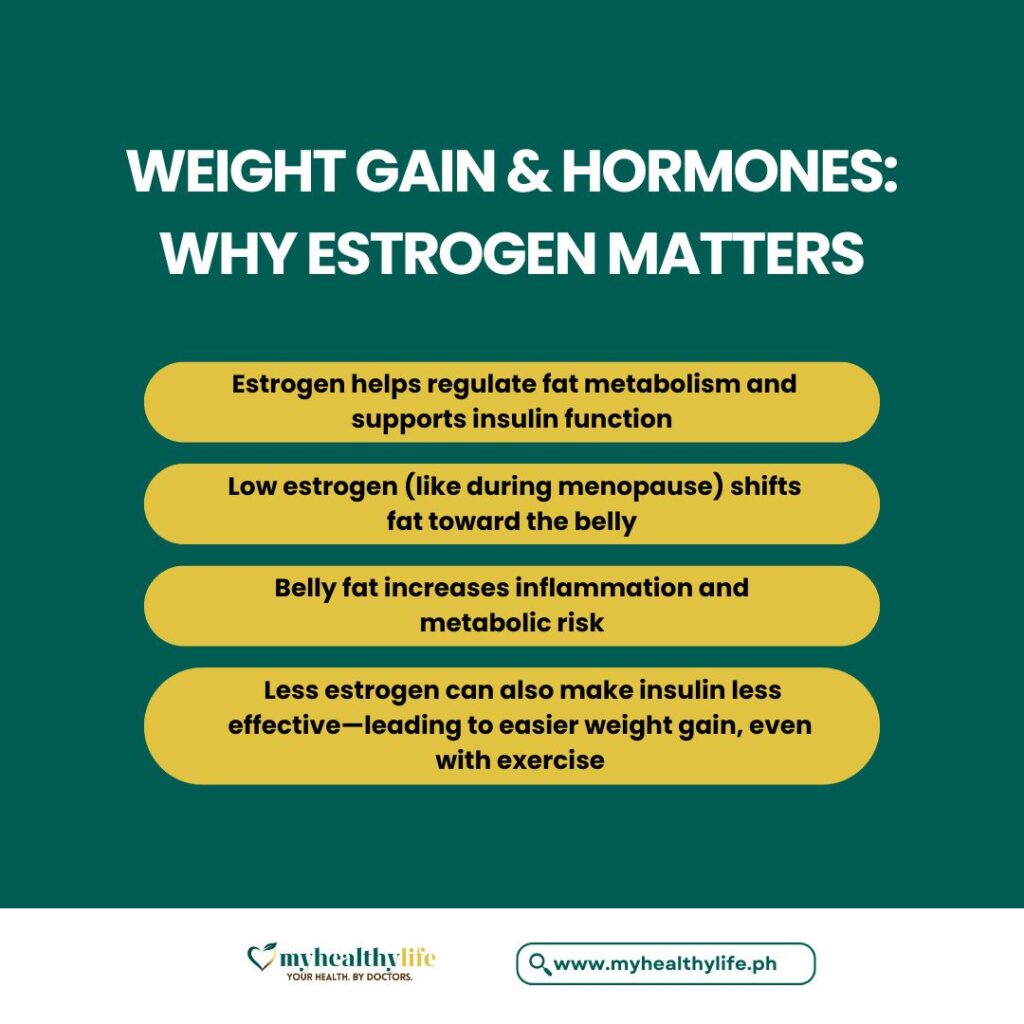
Estrogen helps regulate fat metabolism and tells your body where to store fat. When estrogen levels are balanced, the body tends to store fat more in the hips and thighs—places that are protective for fertility.
But with low estrogen (especially after menopause), the body shifts toward storing more belly fat, which is linked to higher inflammation and metabolic issues.
Estrogen also works with insulin, the hormone that controls blood sugar. If estrogen is low, insulin may become less effective—making it easier to gain weight and harder to lose it, even with diet and exercise.
Low Energy? Estrogen Might Be Draining You
Beyond mood and weight, estrogen impacts your energy levels by:
- Supporting thyroid hormone activity (your metabolism’s engine)
- Boosting iron absorption, preventing fatigue from anemia
- Influencing sleep quality, especially during hormonal fluctuations
Estrogen imbalance—whether too much or too little—can lead to constant tiredness, low motivation, and sluggish mornings. And because it’s often gradual, many women don’t notice until exhaustion becomes their “new normal.”
What Causes Estrogen Imbalance?
Estrogen can drop (or rise) for many reasons:
- Natural aging (perimenopause and menopause)
- Stress (chronic cortisol disrupts hormone production)
- Excessive exercise or undereating
- Polycystic ovary syndrome (PCOS) or thyroid disorders
- Certain medications or hormonal birth control
You may have low estrogen if you notice:
- Irregular or missed periods
- Vaginal dryness
- Mood swings or depression
- Hot flashes or night sweats
- Weight gain around the belly
On the flip side, too much estrogen (called estrogen dominance) can cause:
- Breast tenderness
- Heavy or painful periods
- Bloating
- Mood irritability
How to Support Healthy Estrogen Levels
Balancing estrogen naturally often starts with your daily habits. Here are some simple, science-backed ways to help:
- Eat more estrogen-friendly foods:
- Estrogen-rich foods include flaxseeds, soy, lentils, sesame seeds, and chickpeas. These contain phytoestrogens—plant compounds that mimic estrogen in the body.
- Add healthy fats like avocado, olive oil, and fatty fish to support hormone production.
- Make sure to eat enough protein to stabilize insulin and muscle mass.
- Exercise—but don’t overdo it:
Moderate movement like walking, strength training, or yoga helps regulate hormones—but excessive cardio or calorie restriction may lower estrogen. - Sleep and de-stress:
Lack of sleep and chronic stress raise cortisol, which can block estrogen production. Aim for 7–8 hours of quality sleep and try mindfulness or deep breathing to reset. - Talk to your doctor about testing: If you’re experiencing persistent symptoms, a hormone panel can check your estrogen, progesterone, thyroid, and more. Depending on the results, your doctor may recommend lifestyle changes, supplements, or even hormone therapy.
Let’s Check In
Take a moment and ask yourself:
- Do you notice big mood dips before your period?
- Have you gained weight despite the same routine?
- Do you feel more tired lately—no matter how much you sleep?
These might be signs your estrogen levels are off.
The good news? Estrogen is something you can support. Whether through food, movement, stress reduction, or expert help—small changes can have a powerful ripple effect.
Mood. Metabolism. Motivation. Don’t Settle for “Off.”
Estrogen is a powerhouse. When it’s in balance, everything feels smoother—your emotions, your energy, your confidence. But when it’s off, your body will let you know.
Instead of pushing through and blaming yourself, listen in. You deserve to feel aligned, energized, and empowered in your body.
Your hormones aren’t working against you—they’re asking for your attention. 💛
Share:
Related Posts

How Thyroid Issues Hide Behind Common Symptoms
How Hormones Affect Men’s Mood More Than We Admit