Understanding COPD Beyond the Cigarette
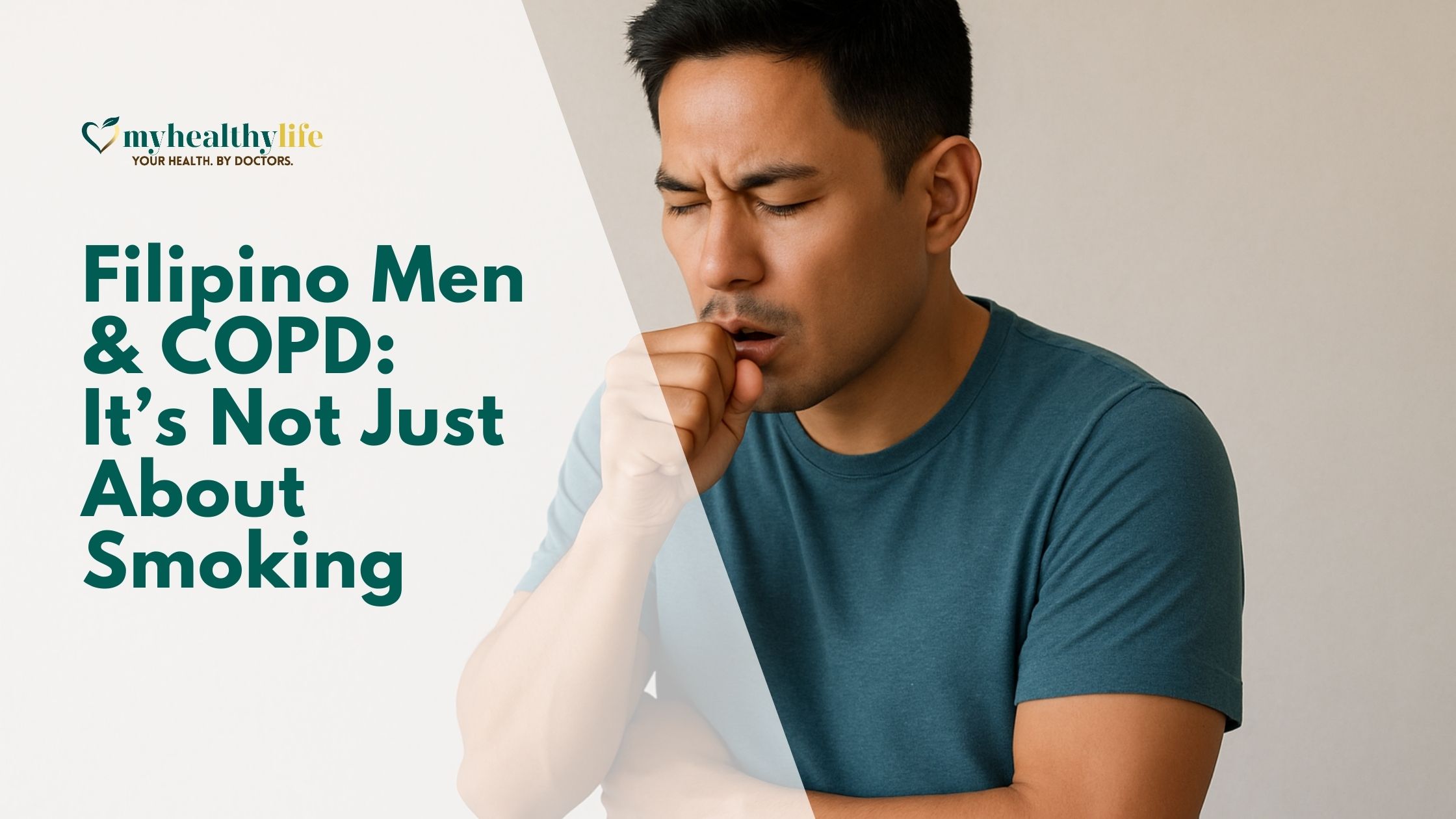
When most people hear “COPD,” their mind jumps straight to cigarette smoking. And yes, smoking remains the most common cause worldwide—but in the Philippines, many men who have never touched a cigarette still develop this serious lung disease. That’s because COPD meaning—chronic obstructive pulmonary disease—isn’t about the smoking habit alone. It’s about long-term damage to the lungs from any source that irritates or inflames the airways.
In COPD, airflow in and out of the lungs becomes restricted due to structural damage and chronic inflammation. This can happen because of:
- Secondhand smoke
- Dust and chemical fumes at work
- Biomass fuel exposure from cooking or heating
- Genetic conditions affecting lung tissue
For many Filipino men, the danger comes not from personal smoking but from daily environmental and occupational exposures—things they encounter without even realizing the damage being done.
Quick Refresher: COPD Meaning and How It Damages Lungs
The COPD meaning covers two main conditions:
- Chronic bronchitis – Long-term inflammation of the bronchial tubes, leading to constant coughing and mucus production.
- Emphysema – Gradual destruction of the air sacs (alveoli) in the lungs, reducing oxygen exchange.
Both conditions narrow the airways, trap stale air inside, and make breathing a constant struggle. Once the damage is done, it can’t be reversed—making early detection and prevention critical.
Why Filipino Men Face COPD Risks Without Smoking
In the Philippines, research shows that up to 30% of COPD patients have never smoked. The reasons often tie back to daily life and work conditions.
1. Secondhand Smoke Exposure
Even if you don’t smoke, you may live or work around people who do.
- Homes with smokers mean long-term exposure to the same harmful chemicals found in cigarettes.
- Public spaces and gatherings without strict smoking bans increase inhalation of irritants.
The World Health Organization notes that secondhand smoke can cause the same lung damage as direct smoking over time.
2. Occupational Hazards
Many Filipino men work in industries where lung-damaging particles and gases are part of the job:
- Construction: Cement dust, silica, asbestos exposure.
- Welding and manufacturing: Metal fumes, chemical vapors.
- Mining and quarrying: Fine dust that reaches deep into the lungs.
- Agriculture: Pesticide spray and organic dust from crops.
Without consistent protective gear, tiny particles bypass the nose and throat’s filtering system and settle deep inside the lungs.
3. Biomass and Indoor Air Pollution
In rural areas, cooking over wood, charcoal, or kerosene stoves in poorly ventilated spaces produces thick smoke loaded with irritants.
- This smoke contains carbon monoxide, nitrogen dioxide, and microscopic particles that can inflame and scar lung tissue over years of daily exposure.
- Women doing the cooking face direct exposure, but men in the same household also inhale these particles.
4. Urban Air Pollution
Cities like Manila, Cebu, and Davao see high levels of PM2.5 pollution from traffic, industrial emissions, and waste burning. Regular inhalation of these fine particles increases the risk of chronic bronchitis and worsens COPD meaning outcomes.
5. Genetics
A small percentage of people have alpha-1 antitrypsin deficiency, a genetic condition that makes lung tissue more vulnerable to damage. This means even minimal exposure to irritants can trigger COPD early.
Recognizing COPD in Non-Smokers
Because COPD is often linked to smoking, Filipino men who don’t smoke may overlook symptoms, attributing them to aging or a mild infection. That delay in diagnosis can lead to worse outcomes.
Key signs of COPD to watch for:
- Shortness of breath during daily activities
- Persistent cough (may or may not produce mucus)
- Wheezing or whistling sound when breathing
- Fatigue that limits work or exercise
- Frequent respiratory infections
- Difficulty breathing in dusty or polluted areas
If you experience chronic bronchitis-like symptoms for more than three months a year, or breathing limitations that slowly worsen, it’s worth discussing with a doctor.
How Doctors Confirm COPD
For men over 40—especially those exposed to secondhand smoke or workplace hazards—screening can catch COPD early.
Spirometry Test
- Measures how much air you can inhale and exhale, and how quickly.
- Detects airflow limitation before symptoms become severe.
- Gives readings like FEV1 (forced expiratory volume in one second) and FVC (forced vital capacity).
Oxygen Saturation
- Checks blood oxygen levels using a fingertip pulse oximeter.
- Low readings may indicate poor lung function.
Lung Volumes and Diffusion Tests
- Performed in specialized labs to measure trapped air and gas exchange ability.
Why Early COPD Diagnosis Matters
COPD damage is irreversible, but early action can:
- Slow disease progression
- Preserve remaining lung function
- Reduce hospitalizations
- Improve quality of life
This is why the COPD meaning conversation in the Philippines must shift from “only smokers get it” to “anyone exposed to harmful air over time can be at risk.”
Protecting Your Lungs—Even Without a Smoking Habit
If you’ve never smoked, you might think you’re safe—but prevention is still key.
1. Limit Secondhand Smoke
- Avoid enclosed spaces with smokers.
- Advocate for smoke-free homes and workplaces.
2. Wear Protective Gear at Work
- Use approved masks or respirators when handling dust, fumes, or chemicals.
- Make sure work areas have adequate ventilation.
3. Improve Indoor Air Quality
- Use exhaust fans or open windows when cooking.
- Consider cleaner cooking fuels like LPG or electric stoves.
4. Monitor Air Quality Index (AQI)
- On days with high pollution, reduce outdoor activities.
- Wear an N95 mask in heavily polluted areas.
5. Get Regular Lung Checks
- Especially important if you’ve worked in high-risk jobs for years.
- Request a spirometry test every few years after age 40.
Treatment Options for Non-Smoking COPD Patients
If diagnosed, treatment is similar to that for smoking-related COPD but with more emphasis on environmental control.
- Bronchodilators: Medications to relax airway muscles and improve airflow.
- Inhaled corticosteroids: Reduce inflammation in the bronchial tubes.
- Pulmonary rehabilitation: Exercise and breathing programs to increase stamina.
- Oxygen therapy: For severe cases with low blood oxygen.
- Lifestyle modifications: Nutrition, exercise, and infection prevention.
Breaking the Stigma
One of the biggest challenges is that non-smokers with COPD often feel overlooked or judged because of the disease’s smoking reputation.
- Awareness campaigns must include occupational safety, pollution control, and indoor air quality—not just anti-smoking messages.
- Men in construction, agriculture, manufacturing, and transport industries should be part of COPD prevention programs.
Key Takeaways for Filipino Men
- COPD meaning goes beyond smoking—it’s about long-term lung damage from any irritant.
- Non-smokers can get COPD from secondhand smoke, workplace dust/fumes, biomass fuel smoke, and urban pollution.
- Spirometry tests after 40 can catch the disease early—even if symptoms seem mild.
- Prevention means controlling environmental exposure, using protective gear, and getting regular check-ups.
- Talking about COPD openly—without stigma—helps more men take action before it’s too late.
https://www.who.int/news-room/fact-sheets/detail/chronic-obstructive-pulmonary-disease-(copd)
Share:
Related Posts

Does Stress Affect Men’s Immunity More Than They Think?
One Simple Habit to Keep Urban Lungs Healthy