

Asthma is a condition most people think of as triggered by allergens, exercise, or cold air. But for some women, the timing of flare-ups has less to do with pollen counts and more to do with their menstrual cycle. If you’ve ever noticed your breathing getting tight or your inhaler use creeping up in the days before your period, you may be dealing with a type of asthma that’s driven by hormonal changes.
This phenomenon is often referred to as perimenstrual asthma or hormonal asthma. It’s not a new diagnosis, but it’s one that’s often overlooked because symptoms overlap with other asthma types. Understanding what’s happening in your body can help you anticipate flare-ups, work with your doctor to fine-tune your treatment, and avoid unnecessary anxiety when your symptoms seem to follow a monthly pattern.
Understanding the Link Between Hormones and Asthma
Your menstrual cycle is a complex interplay of hormones, mainly estrogen and progesterone. These hormones don’t just regulate your reproductive system—they also influence inflammation, immune function, and airway responsiveness.
- Estrogen tends to have an anti-inflammatory effect at certain levels, helping keep airway tissues calmer.
- Progesterone can cause the smooth muscles in your airways to relax or constrict depending on its balance with estrogen.
In the days leading up to menstruation, both estrogen and progesterone levels drop significantly. This hormonal shift can make your airways more sensitive and reactive, especially if you already have asthma. The result: more wheezing, coughing, shortness of breath, or nighttime symptoms.
When Symptoms Typically Appear
Hormonal asthma flare-ups often follow a predictable schedule tied to your menstrual cycle:
- 3–5 days before menstruation – This is when estrogen and progesterone levels drop most sharply, potentially increasing airway inflammation and sensitivity.
- During menstruation – Some women continue to experience worsened symptoms through the first couple of days of their period.
- Mid-cycle relief – Symptoms may improve after menstruation and remain more stable during the mid-cycle phase when estrogen levels rise again.
Not all women with asthma experience this pattern, but for those who do, symptom tracking often reveals a strong connection to their cycle.
How Hormonal Fluctuations Affect the Airways
Researchers have identified a few ways hormone shifts may impact the respiratory system:
- Increased airway inflammation – Lower estrogen levels can lead to a rise in inflammatory mediators, making asthma control harder.
- Greater bronchial reactivity – The airway muscles may constrict more easily, making breathing harder during exposure to triggers.
- Changes in immune response – Hormonal changes can affect how the immune system reacts to allergens or irritants, increasing sensitivity.
Interestingly, this hormonal influence is also why some women experience improvements in asthma symptoms during pregnancy, when certain hormone levels are consistently higher.
Risk Factors for Hormonal Asthma
While any woman with asthma can experience menstrual-related flare-ups, certain factors increase the likelihood:
- Having moderate to severe asthma
- A history of uncontrolled symptoms despite regular inhaler use
- Coexisting allergic conditions such as allergic rhinitis or eczema
- Being in the perimenopausal stage, when cycles and hormone patterns change
- Experiencing significant premenstrual syndrome (PMS) symptoms
Types of Asthma and Where Hormonal Asthma Fits
Asthma is classified based on triggers and underlying mechanisms. Common types include allergic asthma, exercise-induced asthma, occupational asthma, and non-allergic asthma. Hormonal asthma is often grouped under non-allergic asthma because its primary trigger isn’t allergens but internal hormonal changes.
However, it can overlap with other types. For example, a woman with allergic asthma may still experience more severe symptoms around her period because her airways are more sensitive during hormonal shifts.
Diagnosing Hormonal Asthma
There’s no single test to confirm hormonal asthma. Diagnosis usually involves:
- Symptom tracking – Keeping a detailed record of when symptoms occur and how they relate to your menstrual cycle.
- Spirometry or peak flow testing – Measuring lung function at different points in your cycle.
- Reviewing inhaler use patterns – Identifying if you tend to use your rescue inhaler more before your period.
- Excluding other triggers – Ensuring that worsening symptoms aren’t due to seasonal allergies, respiratory infections, or environmental changes.
Your doctor may ask you to track your symptoms for at least two to three months to see if there’s a consistent premenstrual pattern.
Treatment and Management Strategies
While hormonal asthma can be frustrating, it’s manageable with the right approach. Treatment usually involves a combination of preventive measures and medication adjustments.
1. Optimizing Inhaler Plans
If you already use a daily maintenance inhaler (such as an inhaled corticosteroid), your doctor may recommend adjusting the dosage in the days leading up to your period. Some women benefit from adding a short course of oral anti-inflammatory medication during this time.
2. Using Rescue Inhalers Wisely
A bronchodilator inhaler (such as salbutamol) can quickly relieve tightness and wheezing. Knowing that you may need it more during certain days can help you stay prepared.
3. Hormone-Based Approaches
Some women with severe hormonal asthma find improvement by using hormonal birth control to stabilize hormone fluctuations. This option needs careful discussion with both your respiratory specialist and gynecologist.
4. Tracking and Avoiding Triggers
Even though hormones are the main driver, other triggers like cold air, dust, smoke, or allergens can worsen symptoms. Minimizing exposure during your high-risk days can make a noticeable difference.
5. Lifestyle Support
- Exercise – Gentle cardio and breathing exercises can improve lung capacity and reduce stress.
- Sleep – Adequate rest helps control inflammation and boost immunity.
- Diet – Anti-inflammatory foods like leafy greens, berries, and omega-3-rich fish can support overall lung health.
When to Seek Urgent Care
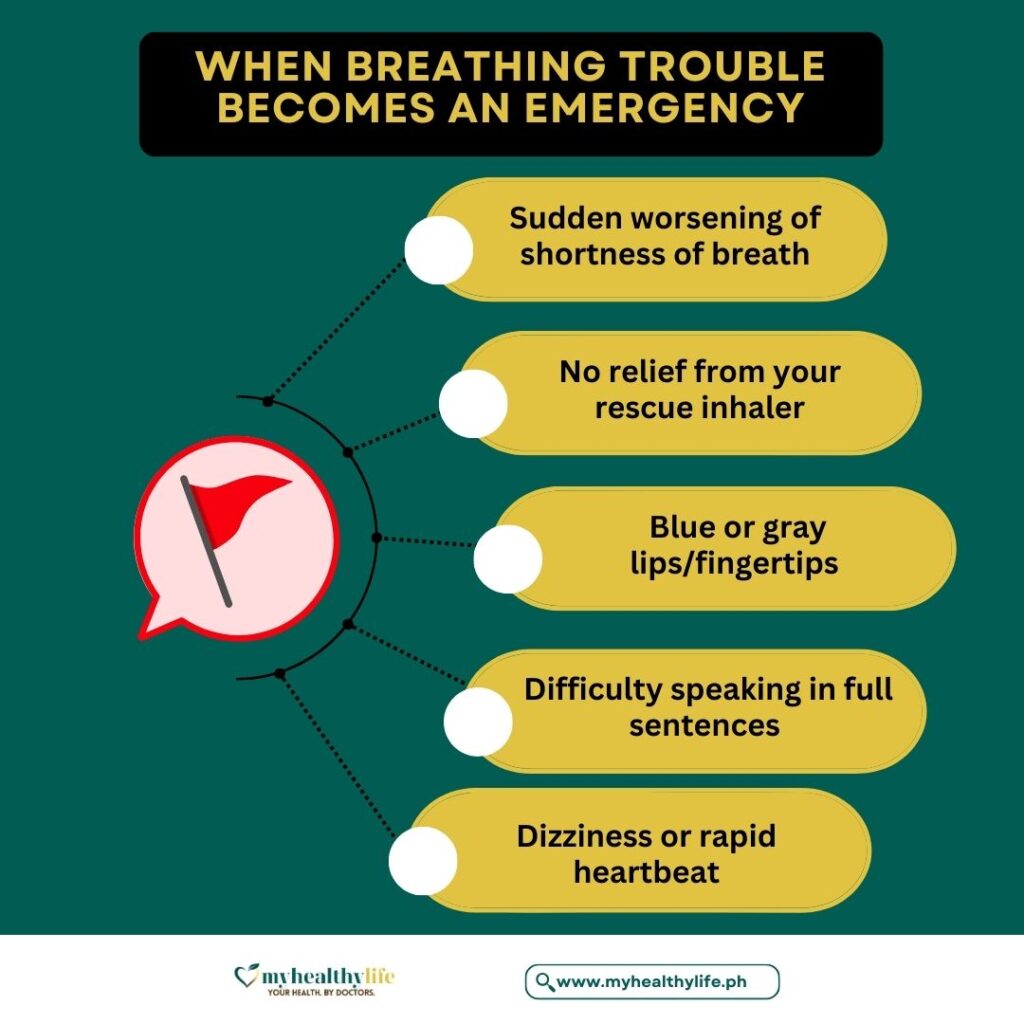
While mild fluctuations in symptoms may be manageable at home, certain warning signs require immediate medical attention:
- Sudden worsening of shortness of breath
- No relief from your rescue inhaler
- Blue or gray tinge to lips or fingertips
- Difficulty speaking in full sentences
- Rapid heartbeat or dizziness
If these symptoms occur, seek emergency care without delay.
Tracking Your Symptoms for Better Control
Keeping a symptom diary is one of the most effective tools for managing hormonal asthma. Include:
- Date and day of your menstrual cycle
- Severity of symptoms
- Rescue inhaler use
- Possible environmental triggers
- Notable lifestyle factors (stress, sleep quality, exercise)
This data can help your doctor personalize your treatment plan and may reveal patterns you hadn’t noticed before.
Why Awareness Matters
Hormonal asthma is often under-recognized, leading some women to believe they’re simply “having a bad asthma month” rather than a predictable, hormone-driven flare. Recognizing the connection between your cycle and breathing can:
- Reduce anxiety about unpredictable symptoms
- Help you plan preventive strategies
- Improve overall asthma control
- Prevent unnecessary emergency visits
A More Empowered Way to Breathe
If you’ve noticed your asthma symptoms seem to have a monthly rhythm, you’re not imagining it. Hormonal changes are a real and significant trigger for many women. By understanding your body’s cycles, tracking your symptoms, and working with your healthcare provider to adjust your asthma management plan, you can reduce the impact of hormonal fluctuations on your daily life.
Taking control starts with awareness—because knowing your body’s patterns gives you the power to prepare, prevent, and protect your breathing.
Share:
Related Posts

Does Stress Affect Men’s Immunity More Than They Think?

One Simple Habit to Keep Urban Lungs Healthy